The Ultimate Guide to Water Quality & Testing
Everything you need to know, explained in plain English.
Key Takeaways
- Get a lab test for your baseline, then monitor with DIY kits
- TDS is just one metric—not a complete picture of water quality
- Read your municipal CCR critically, especially for PFAS
- Test private wells annually for bacteria and nitrates at minimum
- Test after any plumbing work or changes to your water source
Why Water Testing Matters
You can't fix what you can't measure. Even 'safe' municipal water can contain contaminants at levels you'd prefer to avoid. Private wells have no regulatory oversight and should be tested annually. Understanding your water quality is the foundation of any intelligent water treatment decision.
DIY Test Kits vs. Lab Testing
DIY test strips and kits ($15-50) are useful for quick checks of basic parameters like pH, hardness, chlorine, and sometimes lead. However, they lack the precision and breadth of certified lab tests. For a comprehensive baseline, we recommend a certified lab test ($100-300) that covers heavy metals, bacteria, VOCs, and PFAS. After that, annual DIY monitoring is reasonable.
Understanding TDS (Total Dissolved Solids)
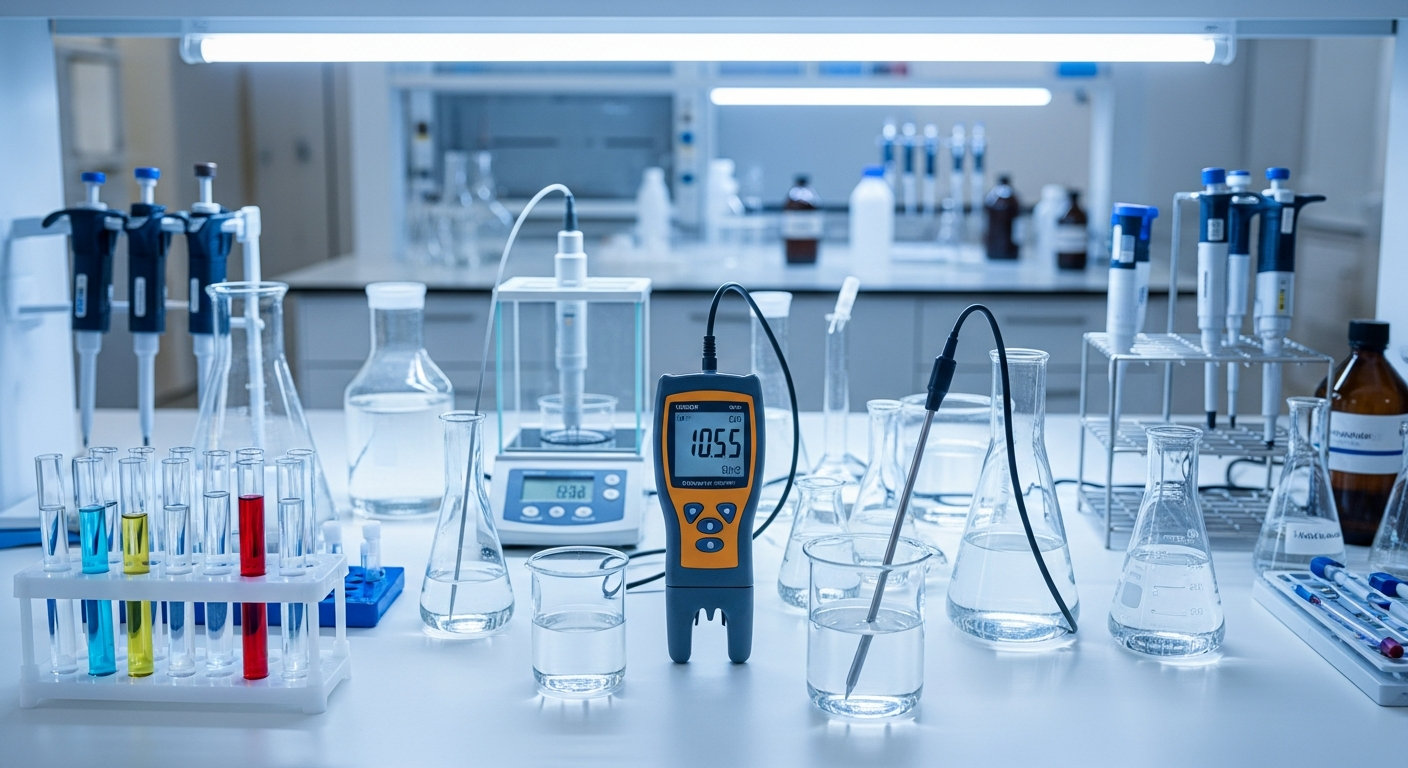
TDS meters are popular but often misunderstood. TDS measures the total concentration of dissolved substances—including beneficial minerals like calcium and magnesium. A low TDS reading doesn't mean pure water, and a high reading doesn't mean unsafe water. TDS is a useful general indicator but should never be your only test.
Reading Your Municipal Water Report
Your water utility publishes an annual Consumer Confidence Report (CCR). Learn to read it critically: look at detected contaminants (not just those exceeding limits), check for PFAS if tested, note the testing dates (some contaminants are only tested quarterly), and understand that these results reflect water at the treatment plant—not at your tap after traveling through aging pipes.
Heavy Metals, PFAS, and Emerging Contaminants
Lead can leach from pipes even if your water source is clean. PFAS (per- and polyfluoroalkyl substances) are now being detected in water supplies nationwide and are linked to serious health concerns. Microplastics are an emerging area of study. If you have concerns about these, insist on specific testing—basic kits won't detect them.
Ready to Choose a System?
Browse our reviewed and rated water quality & testing products to find the best option for your home.
View Product Reviews