Free Instant Water Quality CheckTest My Home Water →Test My Bottle Water →
    INDEPENDENT • SCIENCE-BACKED • UNBIASED REVIEWSLaunch the Free Water Quality Test →Now built right into HydrologyUniversity.comInstant Regional Water Data + RecommendationsFree interactive tool · No signup required
    Advertisement
    Countertop Reverse OsmosisCertified RO water with zero plumbing — AquaTru
    Shop AquaTru
    HU Rating Dimension · 1 of 6

    Inertness — Does the Material Stay Out of Your Drink?

    Does the material chemically interact with the liquid?

    An 'inert' material is one that doesn't add anything to the liquid touching it. The closer a material gets to true chemical inertness, the more confident we can be that what's in your cup is what you put in it — not what the cup put in you.

    Visualizing the Dimension

    Microscopic visualization: water molecules sliding past an ideal inert atomic lattice with zero crossover.

    Why It Matters

    Every drinkware material sits on a spectrum from highly reactive (like raw aluminum or untreated copper in acid) to nearly inert (like borosilicate glass). The non-inert ones donate atoms or molecules — leached metal ions, plasticizers, monomers, finish chemicals — into your drink. Some of those donations are biologically meaningful at concentrations as low as parts per billion.

    How Hydrology University Measures It

    1

    Documented leaching studies under standardized conditions: room temperature, hot, acidic (citric acid pH 3), and post-cleaning cycles.

    2

    Migration limits set by FDA, EFSA, and Prop 65 — and how each material performs against them.

    3

    Mechanical surface stress tests: do scratches or wear increase what migrates into the liquid?

    4

    Whether 'replacement' chemistries (BPA-free → BPS, BPF) actually reduce migration or just rename it.

    Deep Dive

    What 'leaching' actually means at the molecular level

    Materials are not perfect crystalline walls. Polymer chains have gaps; metal surfaces have ions weakly bound at grain boundaries; even glass has trace mobile ions in the silica network. When a liquid contacts the surface, thermodynamics drives a slow exchange — atoms or molecules with low binding energy diffuse out. Heat, acidity, and surface damage accelerate this exchange. That's leaching.
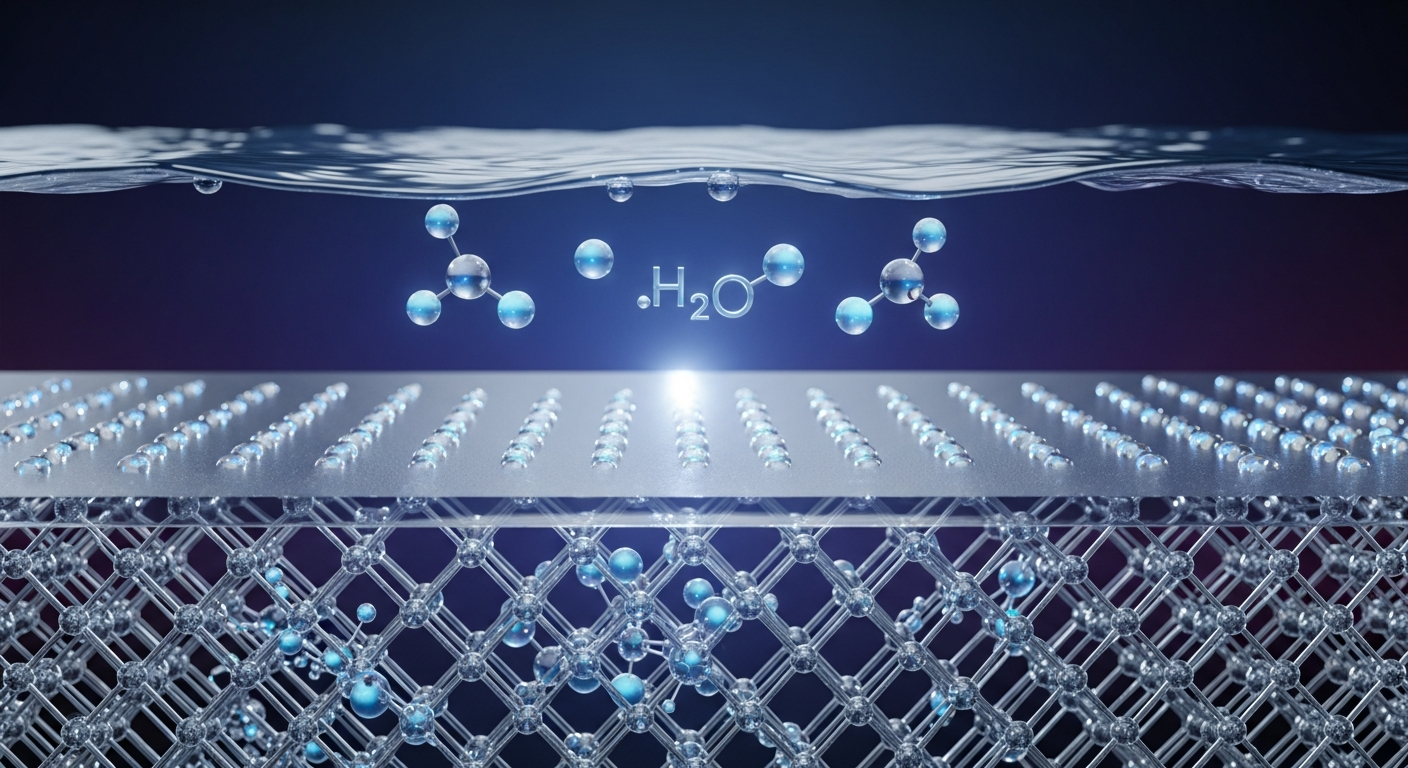
    Cross-section: an ideal inert surface has tightly bound atoms and no mobile species at the interface.
    Cross-section: an ideal inert surface has tightly bound atoms and no mobile species at the interface.

    How we test it

    Independent labs use ICP-MS for trace metal migration (lead, nickel, aluminum, copper, chromium), GC-MS for organic monomers and plasticizers (BPA, BPS, phthalates, styrene), and standardized leach protocols (e.g., NSF/ANSI 51, FDA 21 CFR migration tests). We weight repeatable, peer-reviewed numbers above any marketing claim.

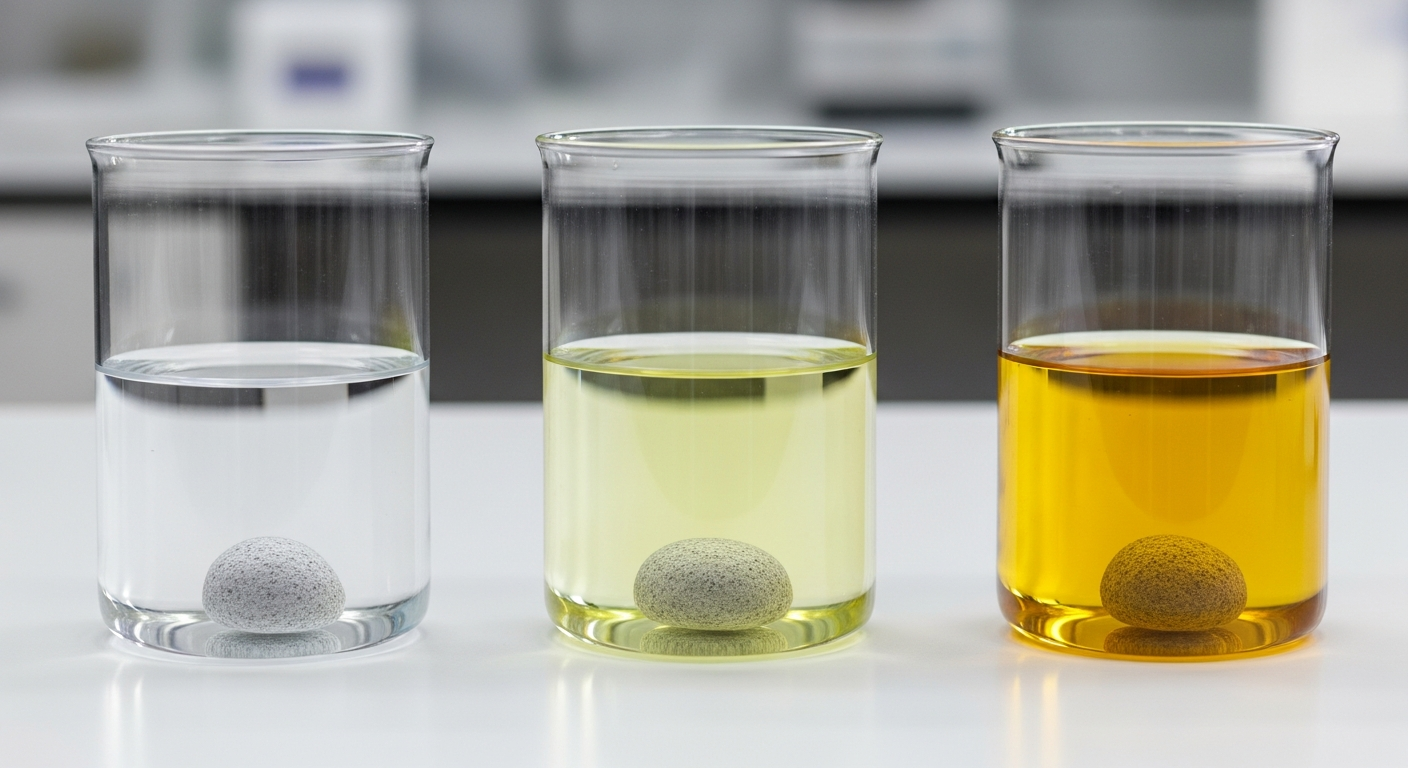
    Standard leach test setup: identical material samples in liquids of varying pH and temperature.
    Standard leach test setup: identical material samples in liquids of varying pH and temperature.
    Background Research & Citations

    Where the Science Comes From

    Migration of bisphenols from polycarbonate

    Le et al., Toxicology Letters (2008)

    BPA migration from polycarbonate water bottles increased up to 55× when boiling water was used vs. room temperature.

    Nickel and chromium leaching from stainless steel cookware

    Kamerud et al., J. Agric. Food Chem. (2013)

    Long simmer times in acidic foods significantly increased nickel and chromium migration from stainless steel — but absolute levels remained low compared to dietary intake.

    Key Takeaways
    • True inertness is rare — every material leaches something at some level.
    • Heat, acidity, and surface damage almost always increase migration.
    • Glass and intact stainless steel sit at the safe end of the inertness scale; plastic sits at the reactive end.
    WaterVo
    Pure Choices. Better Living.
    HU Trusted Supplier

    Once you know what's in your water, you need to do something about it. WaterVO is Hydrology University's recommended supplier for residential filtration systems, atmospheric water generators (AWG), and home hydration equipment vetted against our independent rating standards.

    Filtration systems Atmospheric water generators Whole-home solutions
    Visit WaterVO.com
    AdvertisementFeatured Suppliers

    Top Home Water Filtration Brands

    Trusted brands across whole-house systems, reverse osmosis, and drinking-water filters. Listings link directly to each brand. Our reviews and ratings are editorially independent and never for sale.

    Sponsored listings. Hydrology University may earn a fee from advertisers featured here. Listings are not endorsements and do not constitute legal, financial, or professional advice.

    Advertisement
    Best of the MarketplacesSee our top water picks on Amazon & Temu
    View Best Of
    Contact Us