The Invisible Plastic
In Every Glass
You're consuming about 5 grams of plastic every week — the equivalent of a credit card. Most of it comes from the water you drink.

Microplastics Are Everywhere — Including Your Water
Microplastics are tiny plastic particles smaller than 5 millimeters that have infiltrated virtually every water source on Earth. From remote mountain streams to treated municipal water, no water supply has been found free of plastic contamination.
A landmark 2018 study by Orb Media found microplastics in 83% of tap water samples from 14 countries, while 93% of bottled water brands tested positive. The average person ingests approximately 5 grams of plastic per week — and your drinking water is one of the primary sources.
How Microplastics Enter Your Water Supply
Industrial & Urban Runoff
Stormwater carries plastic debris from roads, construction sites, and industrial facilities into rivers and reservoirs that supply drinking water.
Textile Washing
Each wash cycle releases 700,000+ synthetic fibers. Wastewater treatment captures only 65–92%, and the rest enters waterways.
Atmospheric Deposition
Microplastics are airborne and fall with rain and snow into open reservoirs. Studies found plastic fibers in rainwater even in remote mountain areas.
Types of Microplastics in Drinking Water
Microplastics come in distinct forms, each with different sources, behaviors, and health implications. Understanding the types helps explain why they're so difficult to remove.
Fibers
Most common type — 60% of all microplastics found in water
Sources
- Synthetic clothing (polyester, nylon, acrylic)
- Washing machine effluent
- Carpet and textile degradation
- Atmospheric deposition
Fragments
Second most common — 25% of microplastics in drinking water
Sources
- Breakdown of larger plastic debris
- Food and beverage packaging
- PVC pipe degradation
- Industrial plastic processing
Films
10% of microplastics — thin, sheet-like particles
Sources
- Plastic bags and packaging films
- Agricultural mulch films
- Food wrap degradation
- Single-use plastic breakdown
Pellets / Nurdles
Pre-production plastic beads — raw material for all plastic products
Sources
- Industrial spills during transport
- Manufacturing facility runoff
- Shipping container losses
- Storm drain contamination
See Microplastics in Your Water
Watch how microplastic particles appear under laboratory analysis. These are the same types of particles found in tap and bottled water worldwide.
What the Research Says About Health Effects
While long-term human studies are still underway, emerging research paints an increasingly concerning picture of microplastic exposure and human health.
Columbia University Study (2024)
Found an average of 240,000 nanoplastic particles per liter of bottled water — 10–100x more than previous estimates using conventional methods.
Nanoplastics (<1μm) are small enough to cross cellular membranes, enter the bloodstream, and reach organs including the brain.
Blood-Brain Barrier Penetration
Research in Environmental Health Perspectives demonstrated that polystyrene nanoplastics can cross the blood-brain barrier in animal models, accumulating in brain tissue.
Potential links to neuroinflammation, oxidative stress, and neurodegenerative conditions are under active investigation.
Gut Microbiome Disruption
Studies show microplastics alter gut bacteria composition, reduce beneficial species, and increase intestinal permeability ('leaky gut') in animal models.
Chronic low-dose exposure may contribute to inflammatory bowel conditions and immune system dysregulation.
Chemical Leaching & Carriers
Microplastics act as vectors for absorbed environmental pollutants including BPA, phthalates, PCBs, and heavy metals — concentrations can be 1 million times higher on plastic surfaces than in surrounding water.
Even 'clean' microplastics leach chemical additives (plasticizers, flame retardants, UV stabilizers) as they degrade in the body.
Why Municipal Treatment Falls Short
Most water treatment plants were designed decades before microplastics were recognized as a contaminant. Current methods are inadequate for removing the smallest and most dangerous particles.
| Treatment Method | Removal Rate | Limitation |
|---|---|---|
| Conventional Treatment (Coagulation/Filtration) | 70–80% | Cannot capture particles <20μm; nanoplastics pass through entirely |
| Granular Activated Carbon (GAC) | 60–70% | Designed for dissolved chemicals, not particulates; fibers bypass easily |
| Sand Filtration | 40–50% | Large pore size allows most microplastics through; effective only for >100μm |
| Membrane Filtration (UF/NF) | 95–99% | Rarely used in municipal treatment due to cost; most effective but expensive |
| Reverse Osmosis (Point-of-Use) | 99%+ | Only treats water at a single tap; requires maintenance and wastes water |
No Federal Standard Exists
The EPA has not set a Maximum Contaminant Level (MCL) for microplastics. The WHO concluded in 2019 that microplastics in drinking water don't appear to pose a health risk "at current levels" — but acknowledged significant data gaps and called for more research.
California became the first state to mandate microplastic testing in 2022 under SB 1422.
What Our $99 Test Reveals About Microplastics
The comprehensive water test includes microplastic particle count and identification by our certified lab partner, giving you a clear picture of what's in your water.
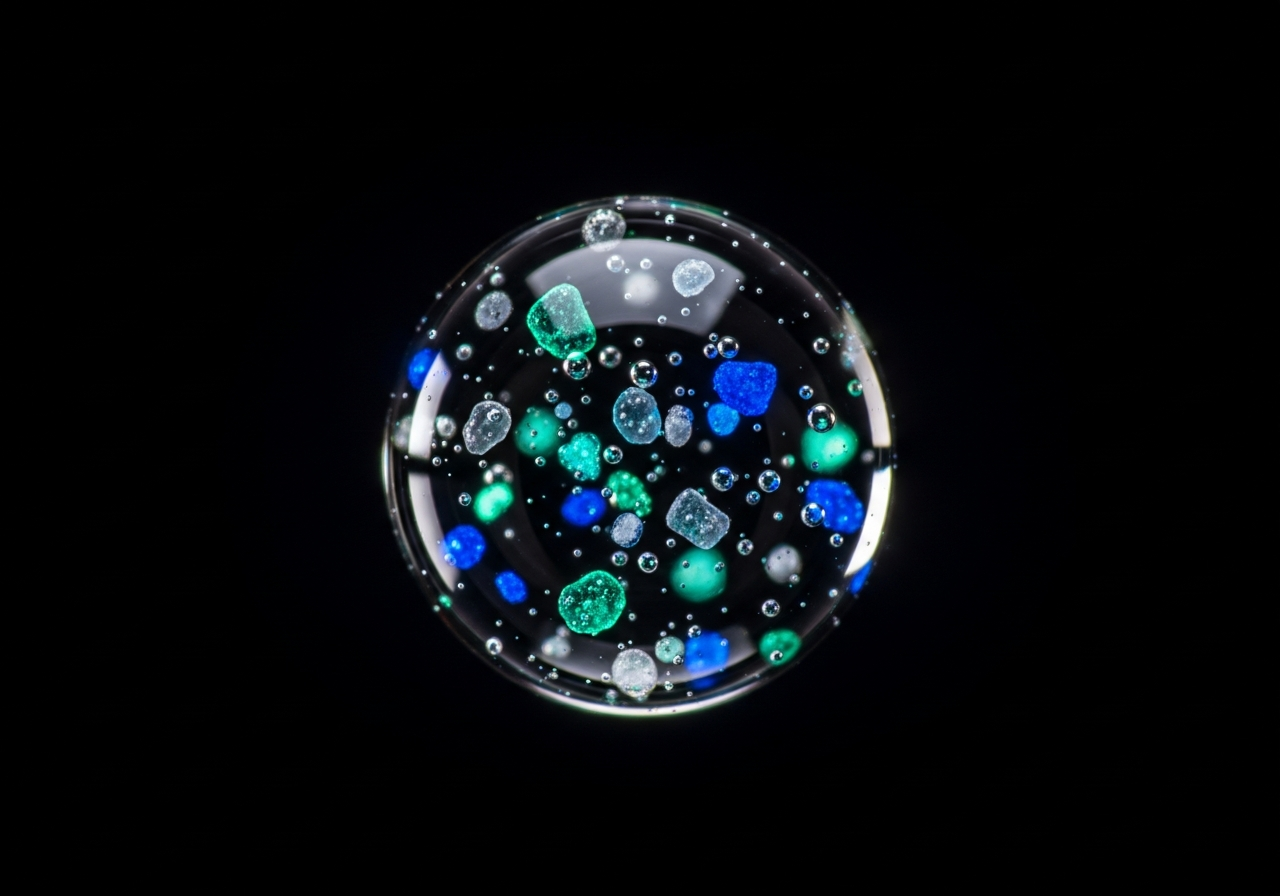
Particle Count
We count every microplastic particle per liter — then map the size distribution across magnification levels so you see exactly how much is in your glass.
See a real report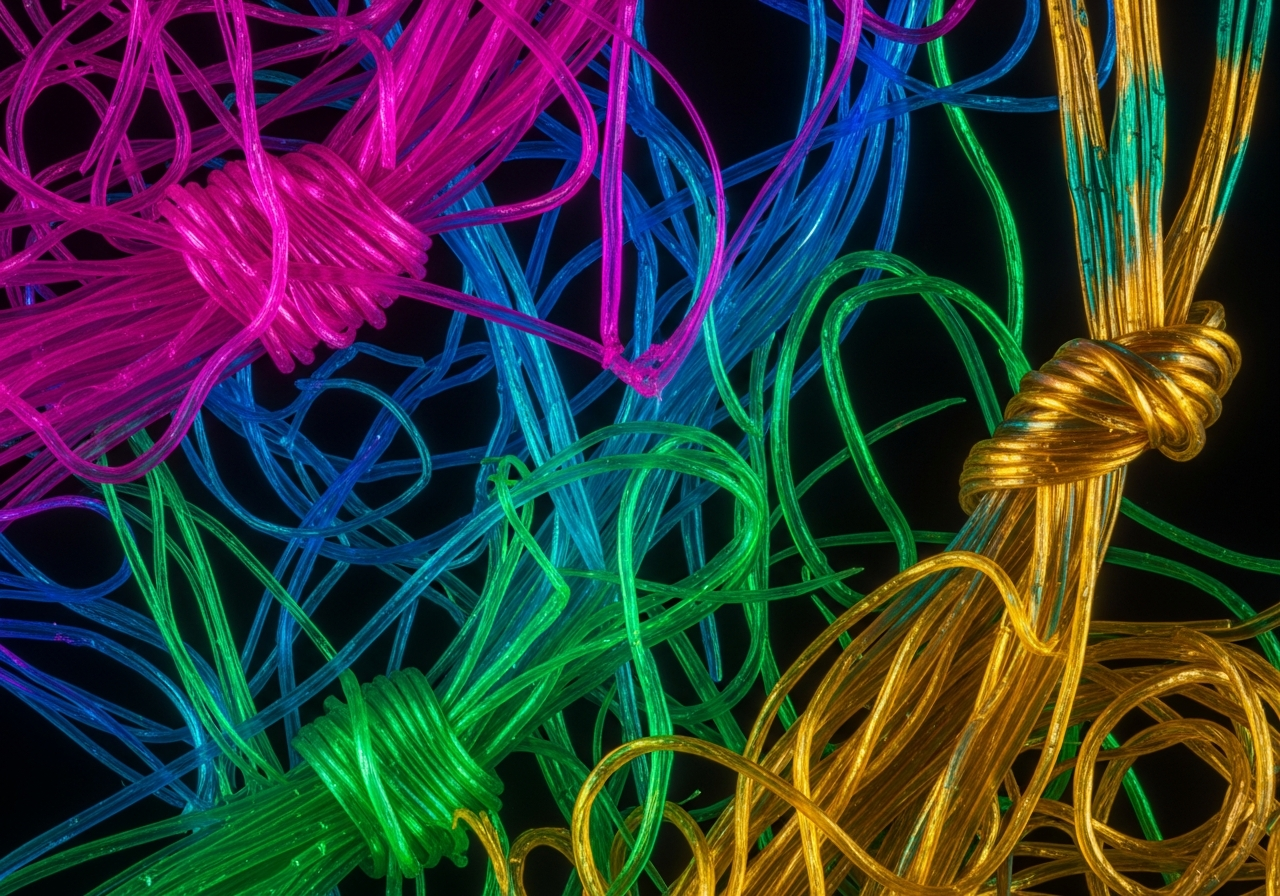
Type Identification
FTIR spectroscopy pinpoints the exact polymer — polyester, polypropylene, nylon, PET and more — so you know precisely what's shedding into your water.
See it under the microscope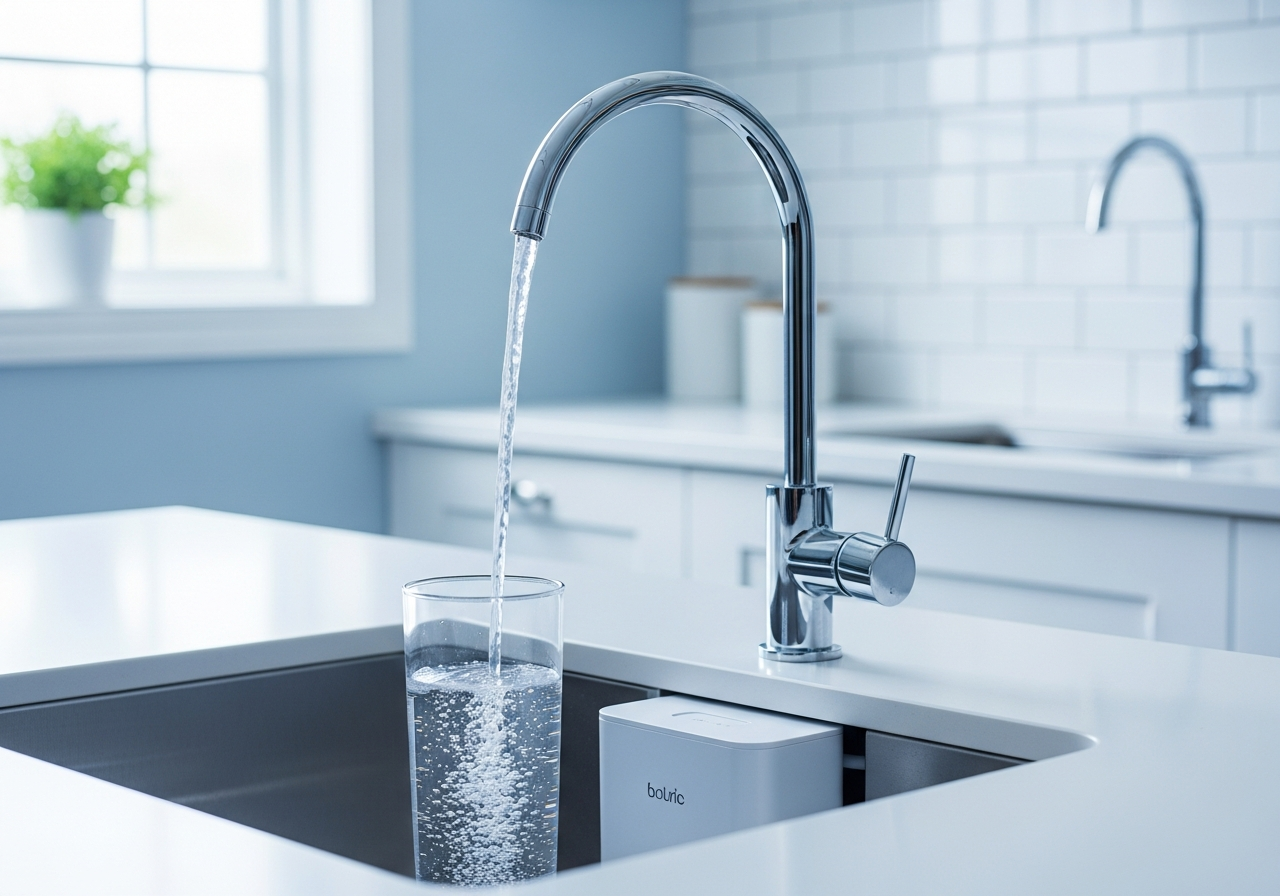
Treatment Recommendations
Get a personalized filtration plan matched to the exact microplastics in your water — and start with a free preliminary report for your ZIP code.
Get your free reportFree shipping • Results in 5–7 business days • Includes phone consultation
Explore More Water Safety Topics
Aging Pipes & Lead
How corroded plumbing contaminates your water with lead and heavy metals.
Learn MoreForever Chemicals (PFAS)
The 'forever chemicals' contaminating 49% of U.S. tap water.
Learn MoreUnregulated Wells
43 million Americans on private wells with no EPA oversight.
Learn MoreLead Under the Microscope
See what lead particles look like in your water at 1000x magnification.
Learn MoreMicroplastic Fibers
Synthetic textile fibers — the most common microplastic in drinking water.
Learn MoreColiform Bacteria
Bacterial contamination visible in water testing under the microscope.
Learn More