California Adds Microplastics to Its Candidate Chemicals List
Hydrology University ·
- Current News
- Microplastics
- California
- DTSC
- Policy
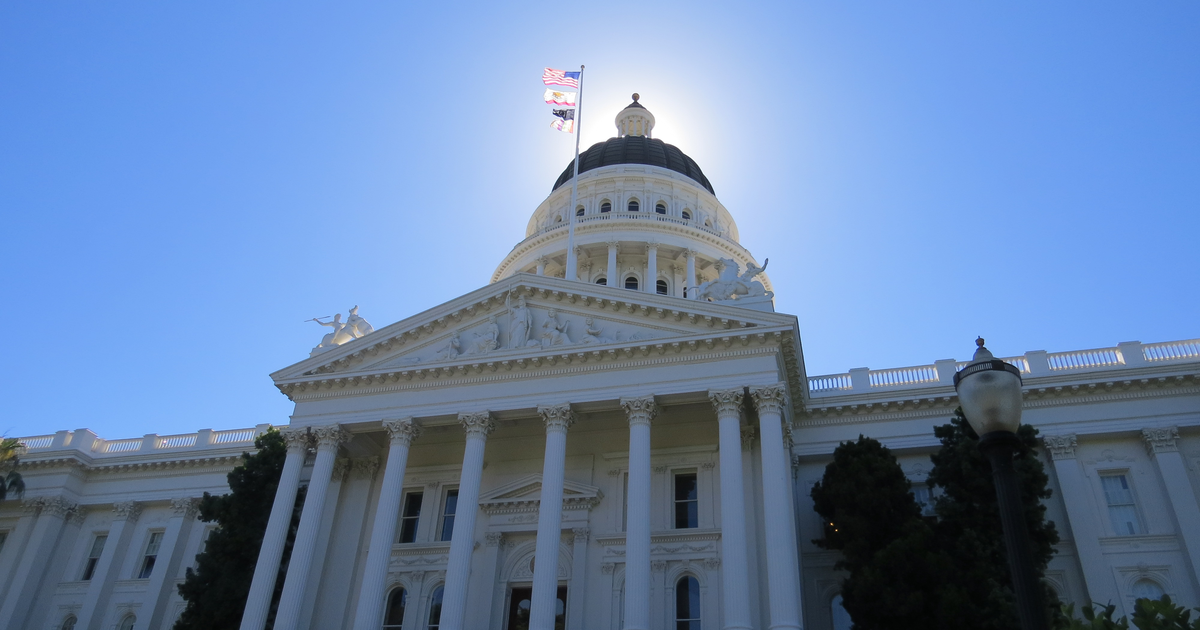
California has started the formal process that could one day lead to rules on products that contain or shed microplastics. On October 1, 2026, microplastics were added to the state's Candidate Chemicals List.
The Department of Toxic Substances Control (DTSC) finalized the regulation on July 2, 2026 under its Safer Consumer Products Program. The listing allows DTSC to evaluate consumer products containing or generating microplastics and to consider future regulatory action where warranted.
The listing itself changes no product rules. DTSC states that the rulemaking "does not impose new obligations on manufacturers or retailers." Requirements could only follow if DTSC lists a specific Priority Product through a separate rulemaking. A Stanford-led explainer adds that this later process still requires public comment and formal review.
DTSC's reasoning: microplastics are found in dust, indoor air, drinking water and food, and have been detected in human placenta and cardiac tissue. The agency points to their persistence, mobility and potential for adverse impacts, as laid out in its June 2025 Microplastics Technical Document.
The Stanford authors, writing about their paper in Frontiers in Environmental Science, describe the step as a legal foothold. They also caution that finding microplastics in the body does not by itself show what level of exposure causes harm. They place the listing alongside California's 2015 microbead ban, its statewide microplastics strategy, drinking-water standards and the SB 54 producer-responsibility law.
The water experts' take
For water professionals, the listing gives a regulator a route to look at sources upstream, the products that shed particles, rather than only at what turns up in water. Watch for any proposed Priority Product: that is when specific products, and public comment, come into play.
Editorial note: HU Current News summarizes agency and university sources. Nothing has been banned or restricted under this listing. No health claims beyond the sources.