Free Instant Water Quality CheckTest My Home Water →Test My Bottle Water →
    INDEPENDENT • SCIENCE-BACKED • UNBIASED REVIEWSLaunch the Free Water Quality Test →Now built right into HydrologyUniversity.comInstant Regional Water Data + RecommendationsFree interactive tool · No signup required
    Advertisement
    Featured · Atmospheric WaterMake drinking water from thin air with Spout
    Discover Spout
    HU Rating Dimension · 5 of 6

    Peer-Reviewed Evidence — Tracing Every Claim to Its Source

    Every star is anchored to a published study, regulatory document, or analytical method.

    If a claim isn't traceable to a published study, a regulatory document (EPA, FDA, EFSA, NSF), or a standardized analytical method, it doesn't appear in our ratings. We will say 'evidence is mixed' before we will say something we can't cite. We will hedge before we will overstate. We have no editorial reason to invent science we can't find.

    Visualizing the Dimension

    Pages of peer-reviewed journals — the source material that anchors every Hydrology University claim.

    Why It Matters

    Most consumer-facing 'guides' to drinkware safety are written by brands selling drinkware. The conflict of interest is structural and unresolvable. Hydrology University accepts no manufacturer sponsorship for material ratings, no affiliate kickbacks, and no free product placements on these pages. That allows us to cite Mason 2018 and Qian 2024 on microplastics; Le 2008 on BPA migration; Olsson & Landolt 2003 on stainless passive layers; vom Saal 2005 on endocrine disruption — and to accurately note where evidence is still evolving.

    How Hydrology University Measures It

    1

    Every quantitative claim links to a peer-reviewed primary source.

    2

    We weight regulatory and meta-analytic sources (EPA, FDA, NSF, EFSA, Cochrane reviews) heavily.

    3

    We acknowledge mixed or evolving evidence (e.g., long-term BPS exposure, dietary aluminum) explicitly rather than picking a side.

    4

    We update ratings when new high-quality evidence emerges.

    Deep Dive

    What 'peer-reviewed' actually means

    Before publication in a reputable scientific journal, a study is reviewed by independent experts in the same field. They check methodology, statistics, the validity of the conclusions, and whether the data actually supports the claims. Peer review is far from perfect — it doesn't catch every flaw — but it is a meaningful filter. A peer-reviewed paper is an order of magnitude more reliable than a press release, blog post, or marketing claim.
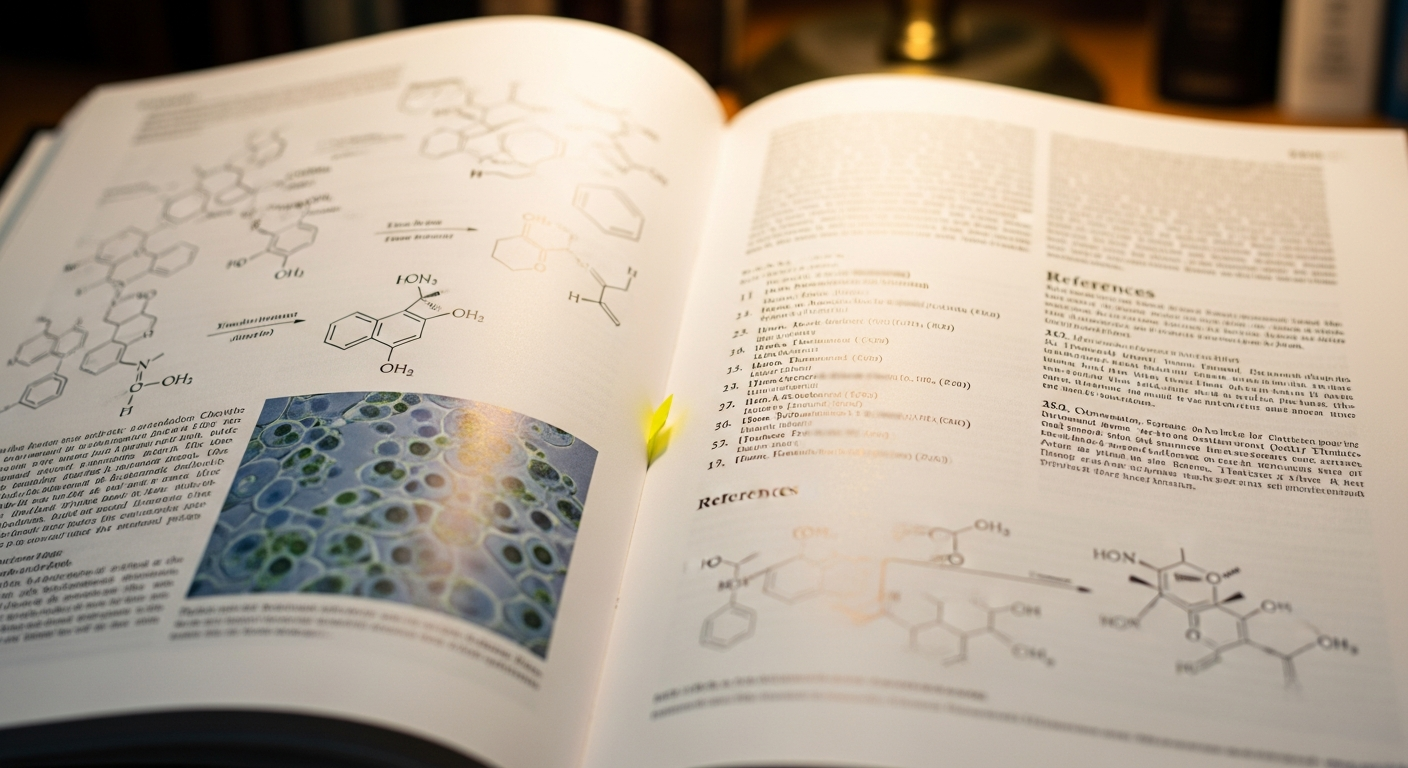

    An open peer-reviewed journal page — the working currency of evidence-based health science.
    An open peer-reviewed journal page — the working currency of evidence-based health science.

    What we look for in a study

    We weight: study design (RCT > prospective cohort > cross-sectional > in vitro), sample size, replication by independent groups, conflicts of interest disclosed, and consistency with mechanism. A single small in-vitro study saying 'BPA is dangerous' becomes much more credible when echoed by twenty other studies, validated in animal models, and supported by epidemiology.

    Stacks of journals and reviews — the kind of cumulative evidence base required to move a star up or down.
    Stacks of journals and reviews — the kind of cumulative evidence base required to move a star up or down.

    Where evidence is genuinely mixed — and we say so

    Long-term human health effects of BPS and BPF (BPA replacements) are still being characterized. The dietary contribution of aluminum to neurodegeneration remains debated. The total in-vivo health impact of microplastics is an active research front. We say 'evidence is mixed' or 'still evolving' on these topics — not to hedge, but because that's the actual state of the science.

    How Each Material Performs on This Dimension

    All materials

    Every material's research page lists named studies and citations under 'Background Research & Citations.' Click any material to inspect the source list.

    Background Research & Citations

    Where the Science Comes From

    Microplastics in bottled water

    Qian et al., PNAS (2024)

    240,000 plastic particles per liter on average in popular bottled water brands using laser hyperspectral imaging.

    BPA-replacement bisphenols are not safer

    Rochester & Bolden, Environ. Health Perspect. (2015)

    Systematic review of 32 studies: BPS and BPF show estrogenic and antiandrogenic activity comparable to BPA.

    Key Takeaways
    • Every claim on Hydrology University traces back to a primary source.
    • We weight regulatory sources, meta-analyses, and replicated peer-reviewed studies — not press releases.
    • When evidence is genuinely mixed, we say so out loud.
    WaterVo
    Pure Choices. Better Living.
    HU Trusted Supplier

    Once you know what's in your water, you need to do something about it. WaterVO is Hydrology University's recommended supplier for residential filtration systems, atmospheric water generators (AWG), and home hydration equipment vetted against our independent rating standards.

    Filtration systems Atmospheric water generators Whole-home solutions
    Visit WaterVO.com
    AdvertisementFeatured Suppliers

    Top Home Water Filtration Brands

    Trusted brands across whole-house systems, reverse osmosis, and drinking-water filters. Listings link directly to each brand. Our reviews and ratings are editorially independent and never for sale.

    Sponsored listings. Hydrology University may earn a fee from advertisers featured here. Listings are not endorsements and do not constitute legal, financial, or professional advice.

    Advertisement
    Best of the MarketplacesSee our top water picks on Amazon & Temu
    View Best Of
    Contact Us