PFAS Treatment Depends on the Water: Luleå University Thesis Finds Activated Carbon and Ion Exchange Resins Respond Differently
Hydrology University ·
- Current News
- PFAS
- Treatment
- Research
A new doctoral thesis from Luleå University of Technology in Sweden looks at why PFAS, the "forever chemicals," stick to some materials and slip past others, and what that means for cleaning up contaminated soil and water. Sajjad Hazrati recently defended the thesis, PFAS adsorption processes: from soil retention to remediation strategies, in Waste Science and Technology, the university reported on October 23, 2026.
We are the water experts. Here is what the research found and what it means for anyone weighing treatment options.
"There are many different PFAS, and they do not all behave in the same way. To choose an appropriate treatment method, we need to understand what determines whether they are retained by a material or continue to move with the water," Hazrati said.
What happens in soil
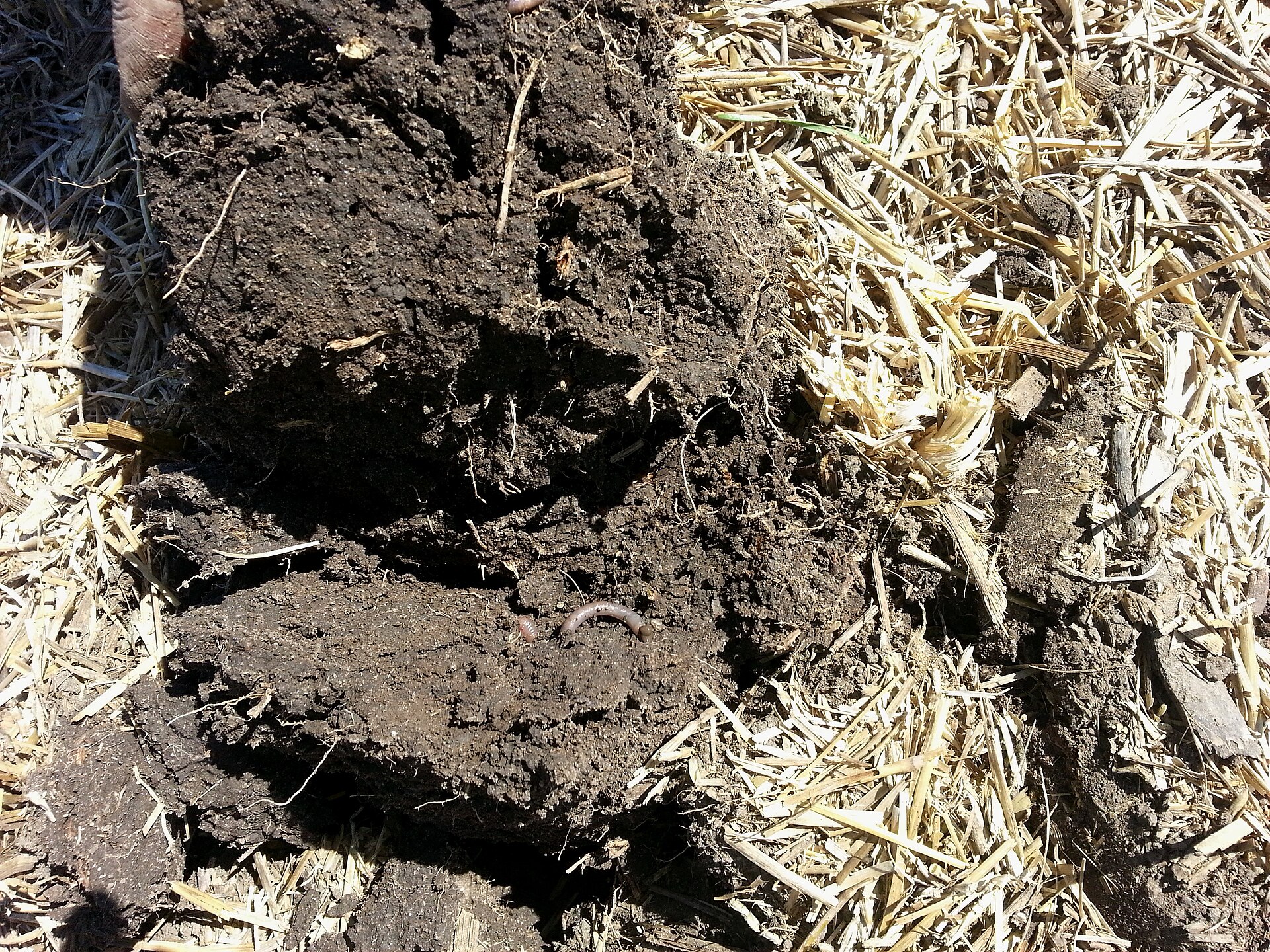 Illustrative. Photo: USDA NRCS South Dakota via Wikimedia Commons (public domain).
- Carbon content alone is not enough. The results show that the amount of organic carbon in soil cannot predict on its own how strongly PFAS are retained, the university said. The chemical makeup of the soil's organic matter has a strong influence, with contributions from minerals too.
- It works both ways. Soil organic matter affects how strongly PFAS are held, while PFAS can increase the release of dissolved organic matter, change its chemical composition and potentially affect how it moves through soil.
"Soil is a complex system," Hazrati said.
The same treatment does not work everywhere
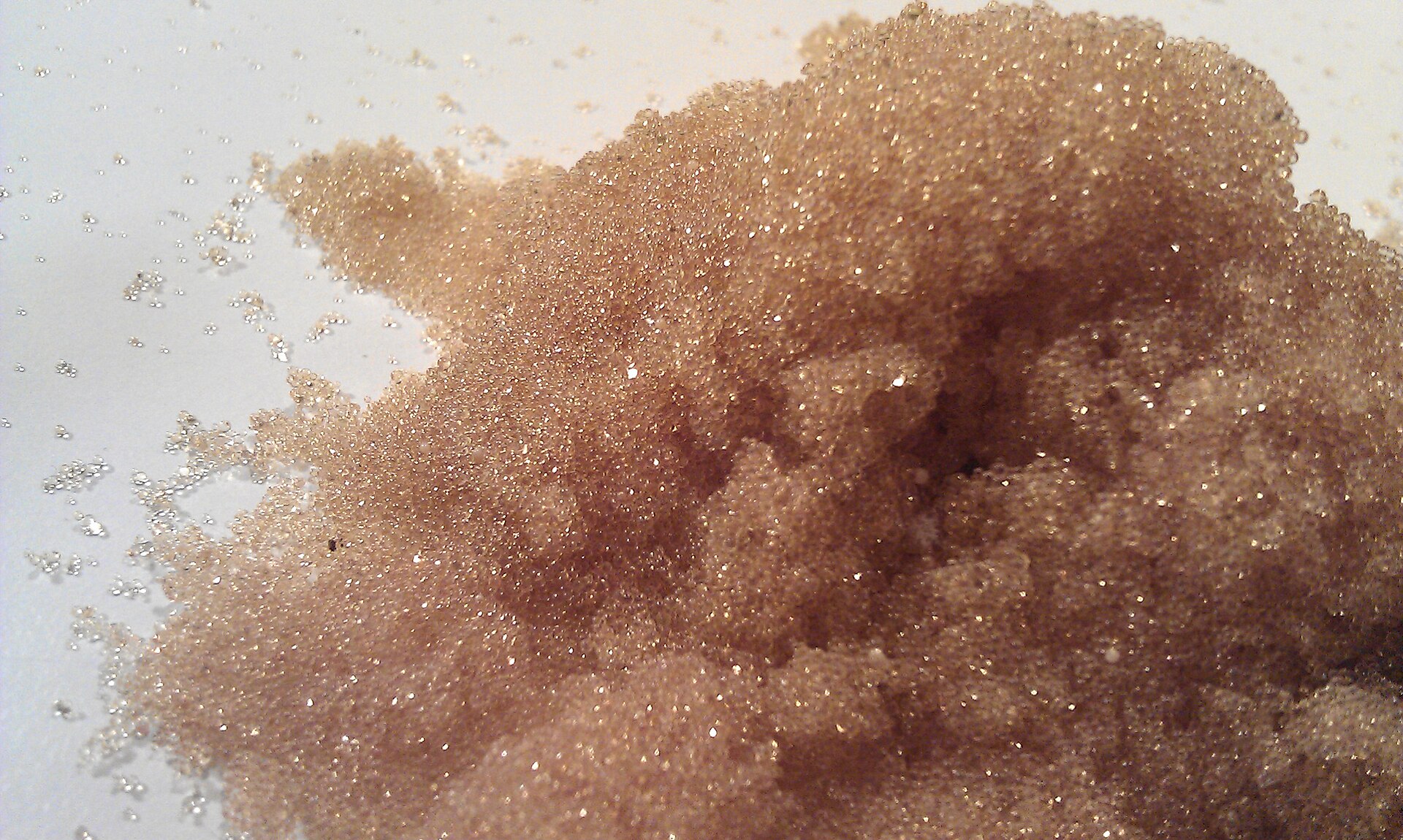 Ion exchange resin beads. Photo: Tomásdearg92 via Wikimedia Commons (CC BY-SA 3.0).
- Activated carbon and ion exchange resins. The thesis compared two materials used to capture PFAS from contaminated water. Both capture PFAS, but other substances in the water affect them differently.
- Organic matter vs. carbon. Organic matter in the water could reduce activated carbon's ability to retain PFAS, the university said.
- Phosphate vs. resins. Ion exchange resins were more selective for PFAS, including short-chain compounds that are often harder to remove, but were more sensitive to phosphate.
"A material that performs very well in one type of water may not perform equally well in another. The chemical composition of the water therefore needs to be considered when designing a treatment system," Hazrati said. That means simplified lab tests do not always give the full picture of how a treatment will perform at a real contaminated site, according to the university.
Faster is not always better
- Rotating bed reactor. A rotating bed reactor sped up PFAS adsorption significantly. For some PFAS, especially short-chain compounds, removal was several times faster than in conventional batch treatment.
- Column systems held on longer. In longer-term operation, conventional column systems retained PFAS longer before the compounds began to break through the treatment material.
"This shows that rapid treatment and sustained treatment do not necessarily require the same system," Hazrati said.
What the water experts recommend
 Illustrative. Photo: Fourteenzerozero via Wikimedia Commons (CC0).
- Know your water first. This research is about contaminated sites, but the lesson carries over: a filter's performance depends on what else is in the water. Start with your utility's annual Consumer Confidence Report, or a certified lab test if you are on a private well.
- Match the filter to the job. Start with our PFAS guide, and see our reverse osmosis reviews for specific systems.
- Keep up with maintenance. Treatment materials eventually fill up, as the column tests show. Replace home filter cartridges on the maker's schedule.
- Consider a different starting point. Some households also look at atmospheric water generation, which makes drinking water from humidity in the air rather than from streams or wells. It uses energy. Our sister brand WaterVO makes one.
"PFAS remediation is not about finding one material or one technology that solves everything," Hazrati said.
More from Hydrology University: PFAS guide · San Jose Water's planned ion-exchange PFAS plant · ASU-led team reports a palladium membrane that breaks down PFAS in lab tests
Sources
- Luleå University of Technology, "New knowledge could make PFAS treatment more effective," October 23, 2026: ltu.se
- Sajjad Hazrati, PFAS adsorption processes: from soil retention to remediation strategies, doctoral thesis, Luleå University of Technology: ltu.diva-portal.org
Photo: Luleå University of Technology campus in winter, by Lars Falkdalen Lindahl via Wikimedia Commons (CC BY 3.0); cropped, headline added in the featured image.
Page link: https://hydrologyuniversity.com/blog/lulea-thesis-pfas-activated-carbon-ion-exchange-water-chemistry