Microplastics Turn Up More Often in Lung Cancer Patients: What Three 2026 Studies Show, and What They Don't
Hydrology University ·

Thanks to Don DiCostanzo, Founder of WaterVO, for sharing this article with us.
Microplastics are tiny plastic particles found almost everywhere in the modern world. New European research presented at a medical conference found them more often in lung samples from people with lung cancer than from people without it. Two smaller studies published earlier in 2026 point in a similar direction. Here is what each one found, and what none of them can tell us yet.
Watch: microplastics 100 meters above Colorado

Our 30-second Short covers a related question: how much plastic is floating in the air we breathe. More on that study below.
What the Barcelona conference study found

The study was presented at the European Respiratory Society (ERS) Congress in Barcelona this autumn. These are conference results that have not yet been published in a peer-reviewed journal.
Researchers studied 100 patients at University Hospital of Larissa, Greece, who were having a bronchoscopy to investigate lung symptoms. Each patient gave a lung-wash (lavage) sample. Fifty were later diagnosed with lung cancer and 50 were not.
Microplastics were found in the lung-wash samples of 66% of the patients with lung cancer, compared with 46% of the patients without it. The most common plastics were polypropylene and polyethylene, which are widely used in packaging and clothing.
The study was led by Dr Ilias Dimeas of University College Dublin and the University of Thessaly. Speaking to The Independent, as quoted by Polskie Radio, he said: "Our results suggest that inhaled microplastics are found in human lungs more often than many people realize."
Two earlier 2026 studies point the same way, with caveats
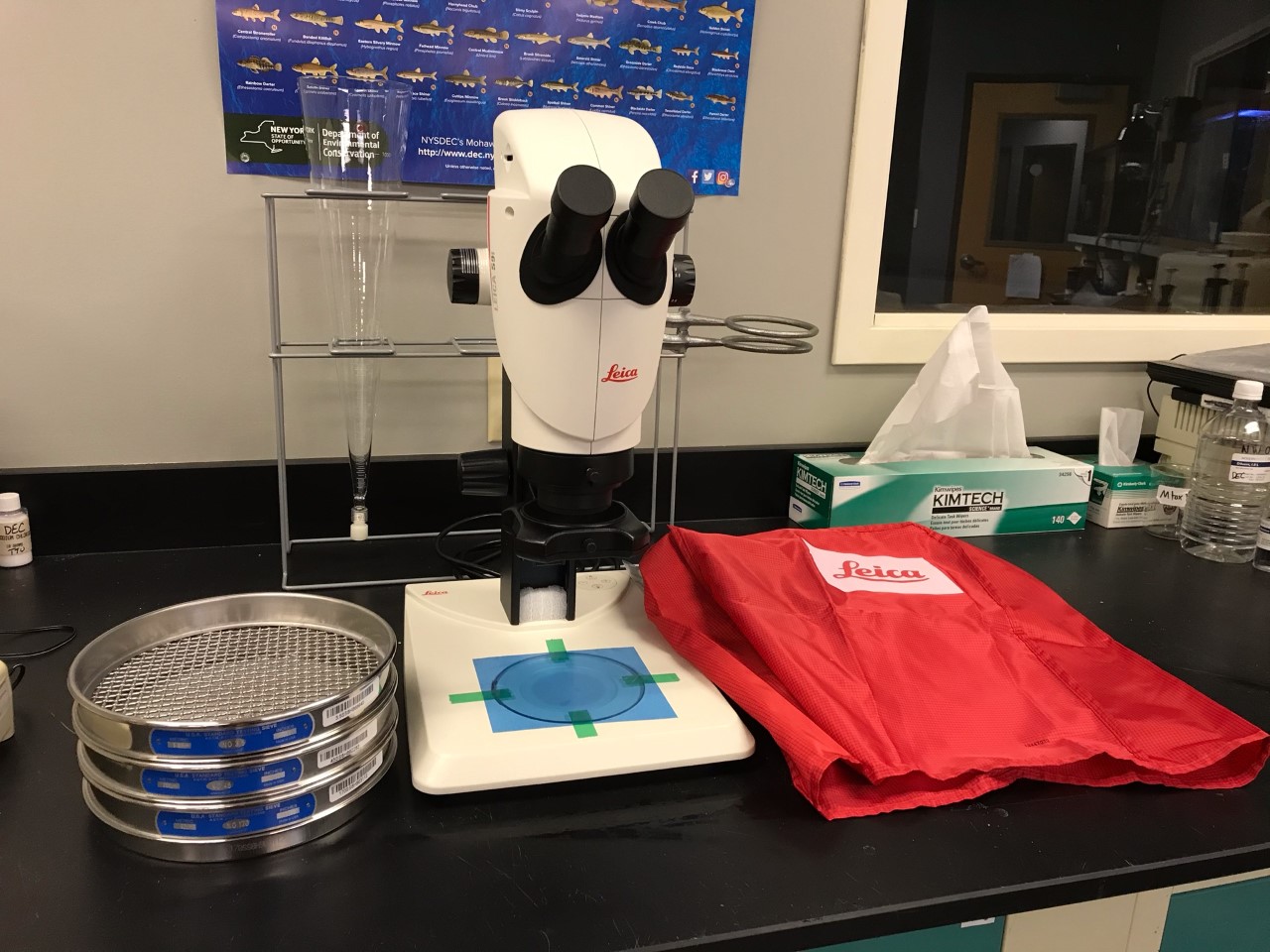
In February 2026, a small pilot study in the American Journal of Respiratory and Critical Care Medicine compared 10 lung cancer tissue samples with 10 samples without cancer. Microplastics were found in all 20. The cancer samples had a higher typical count, a median of 39 particles per roughly 100 milligrams of tissue versus 31.5, but that difference was not statistically significant. The researchers did see differences in the size, shape and types of plastic.
In August 2026, a study led by Ilias Dimeas in the Journal of Clinical Medicine examined tissue from 50 people having diagnostic chest surgery. Microplastics were detected in 32 of them. They were found more often in people with primary malignant lung tumors than in people without, 81.8% versus 50%, and the link held after the researchers accounted for age and smoking exposure.
Linked, but no one has shown that microplastics drive cancer
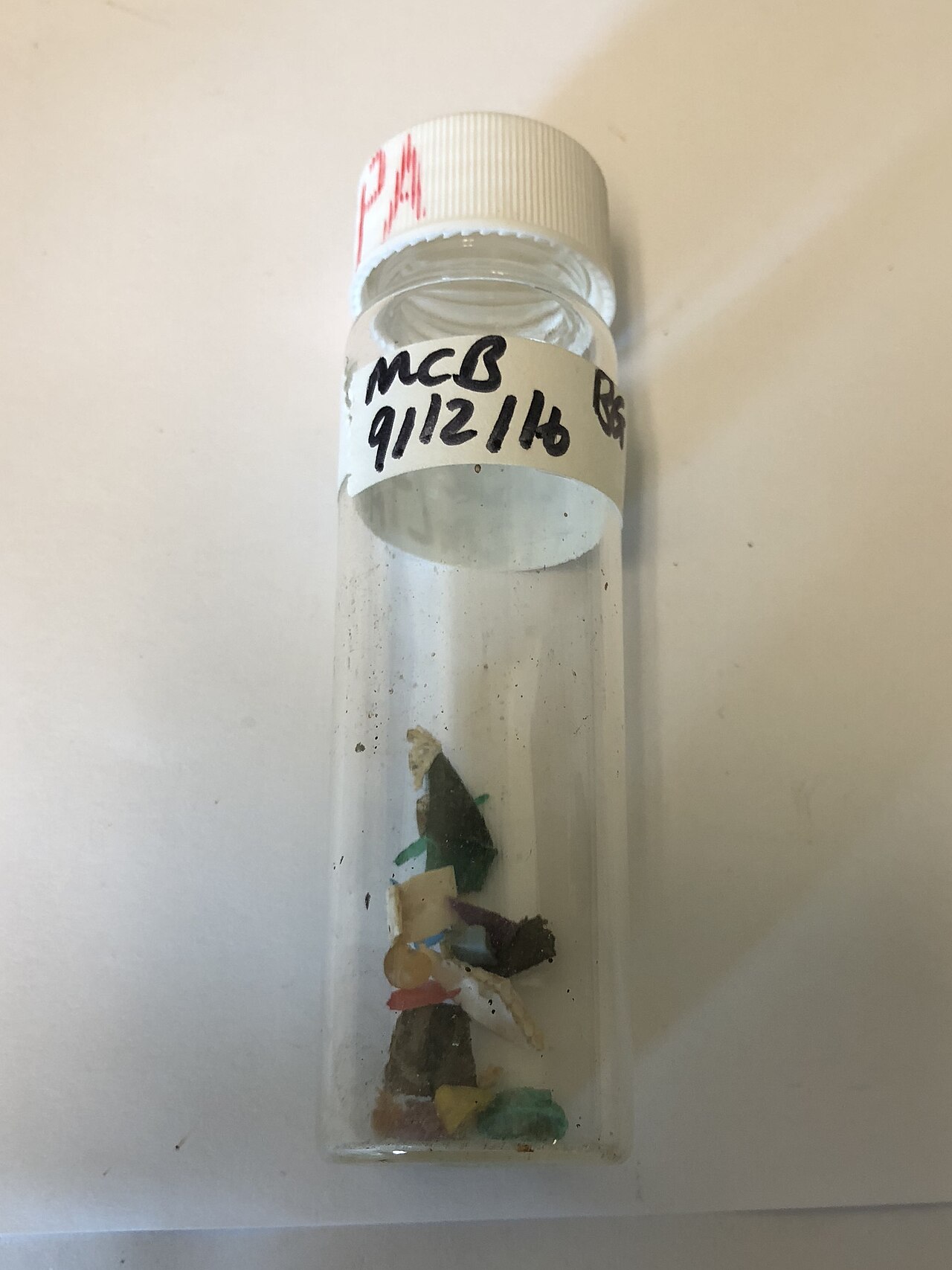
All three studies are observational. They show that microplastics were found more often in lungs with cancer. They do not show that microplastics are responsible for that cancer. Causation has not been shown.
Researchers don't yet know why the difference exists, and it could run in the other direction. The source article notes that microplastics might enter the lungs in connection with diagnosis, hospital stays or treatment. Dimeas has said it is also possible that diseased lungs simply hold on to particles differently than healthy lungs.
The ERS's Barbara Hoffmann, who chairs its Advocacy Council and was not involved in the research, said: "Research on the health impacts of microplastics is still in its early stages, but we are beginning to realize that these tiny pieces of plastic penetrate many parts of the body."
Oncologist Thejus Jayakrishnan of the Dana-Farber Cancer Institute added: "We need more research and more data to determine how microplastics affect the human body, including their role in cancer."
Smoking is still by far the main risk factor

Lung cancer is the most common cancer worldwide, with about 2.5 million cases and 1.8 million deaths a year, according to Hoffmann. Smoking remains by far its main risk factor; the source article says it is responsible for roughly nine in ten cases.
Even if microplastics turn out to play some role, the source article says their statistical influence would likely be smaller. The clearest step for your lungs is still not to smoke. If you have questions about your own lung health, talk to your doctor.
Airborne microplastics are a growing research topic

These lung studies add to evidence that we breathe microplastics in from the air. In a separate proof-of-concept study published in Scientific Reports on October 6, 2026, a team led by the University of Colorado Boulder's CIRES flew a drone with an air sampler 80 to 100 meters above two Colorado sites in fall 2024. They confirmed microplastics at 100 meters. In the 3 to 10 micrometer size range, plastic made up a mean of 13.8% of the particles they selected for analysis. That is a share of the selected particles, not of the air itself. WaterVO's news blog covered that study in more detail.
Hoffmann summed up where the field stands: "We need more research to fully understand their potential role in lung diseases, including cancer. In the meantime, we advocate for the fundamental human right to breathe clean air, including air that is not polluted with microplastics."
Sources: Polskie Radio, "People with lung cancer have more microplastics in their bodies, study shows" (Nov 16, 2026; originally by Tomáš Karlík, ČT, Nov 11, 2026): https://www.polskieradio.pl/395/11718/Artykul/3753513,people-with-lung-cancer-have-more-microplastics-in-their-bodies-study-shows · European Respiratory Society press release (Sept 4, 2026): https://www.ersnet.org/news-and-features/news/patients-diagnosed-with-lung-cancer-found-to-have-more-micorplastic/ · Dimeas et al., Journal of Clinical Medicine (Aug 22, 2026): https://pmc.ncbi.nlm.nih.gov/articles/PMC13565977/ · Gholami et al., American Journal of Respiratory and Critical Care Medicine (Feb 21, 2026): https://doi.org/10.1093/ajrccm/aamag081 · Calmer et al., Scientific Reports (Oct 6, 2026): https://doi.org/10.1038/s41598-026-74287-9
Hydrology University (https://hydrologyuniversity.com) · WaterVO (https://watervo.com)
Page link: https://hydrologyuniversity.com/blog/microplastics-lung-cancer-studies-association-not-causation-november-2026