Dry Climates Raise River Nitrate, Penn State Study Finds: What It Means If You Have a Private Well
Hydrology University ·
Nitrate in rivers is usually blamed on fertilizer and wastewater. A new Penn State study published November 12 in the journal Science finds that climate plays a role too: hot, dry places run higher in river nitrate, even where there are no farms or cities. Here is what the researchers found, and what it means for well owners in the U.S.
What the study found
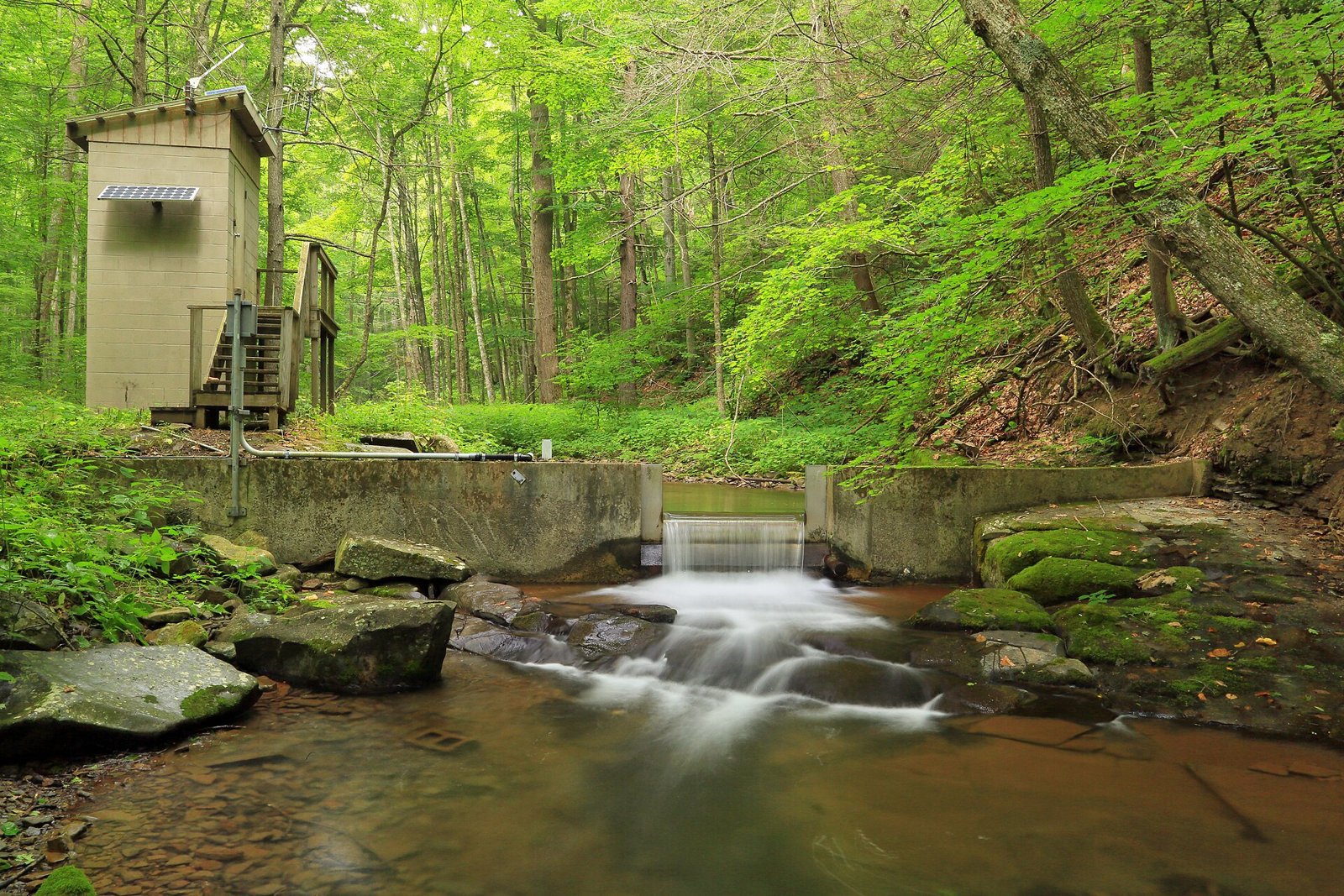
Penn State says the team used machine learning on data recorded at more than 7,000 river sites around the world, then mapped predicted nitrate levels for about 2.9 million river segments. The models drew on 26 variables per river segment, including climate, land use and soil, and the team built about 1,000 models to check uncertainty. Source: Penn State News, Nitrate pollution in rivers linked to dry climates, not just human activity.
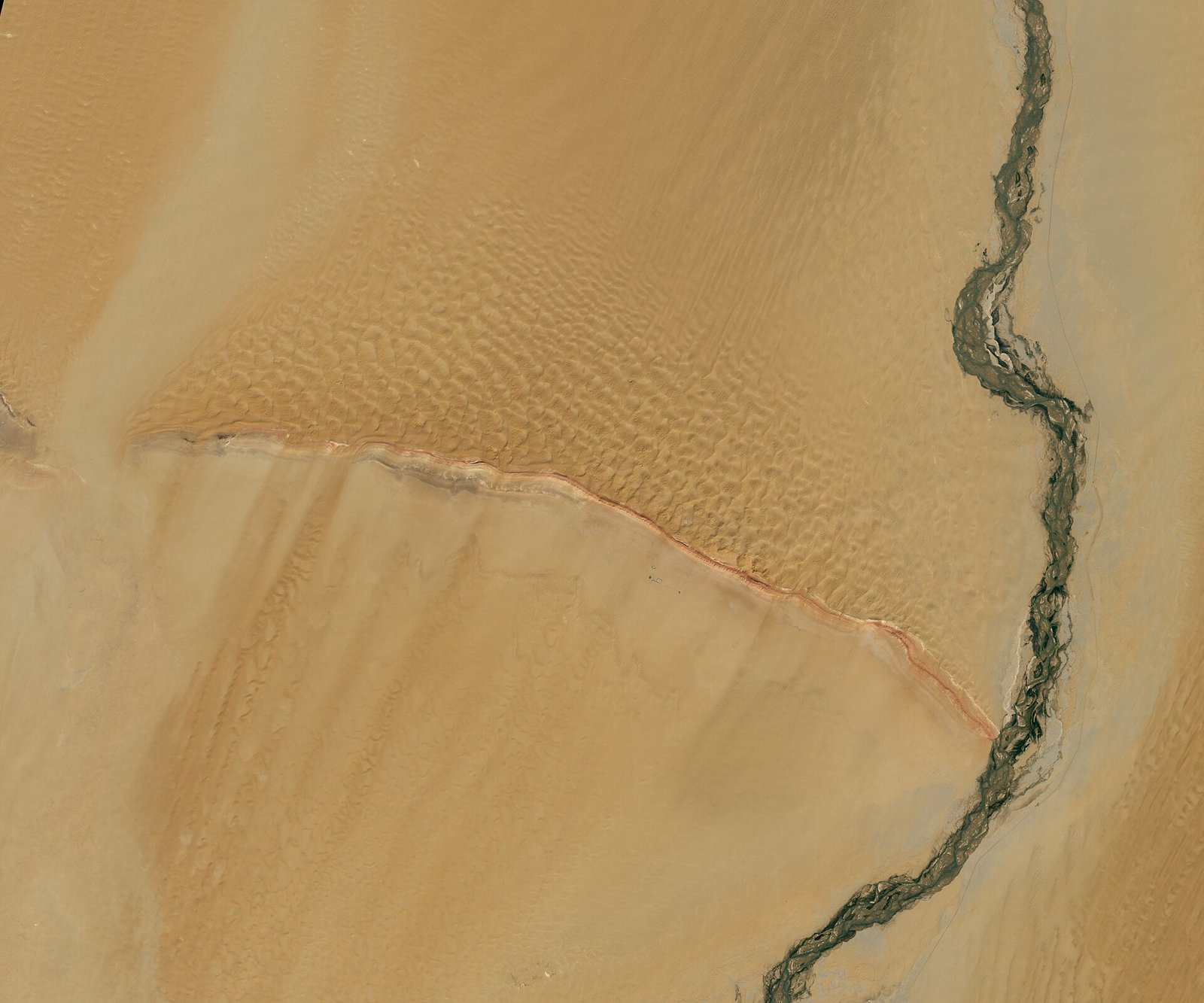
The researchers say a hot, dry climate raises nitrate in rivers and streams even in areas without urban or agricultural development. Their best explanation: naturally occurring nitrate builds up in dry places over years, because there is too little water moving through to wash it out.
Human inputs still matter most. First author Kayalvizhi Sadayappan said, “Human inputs still have the biggest impact, but nitrate levels are elevated even in some of the world's most remote regions, particularly in small headwater streams that flow only seasonally.” The paper is “Climate aridity amplifies global riverine nitrate beyond human inputs” in Science.
The U.S. angle

Penn State says heavily farmed areas like the Corn Belt, which spans from Nebraska to Ohio, have some of the highest nitrate concentrations on Earth. It also notes that most nitrate measurements come from temperate regions such as North America and Europe, with far fewer from dry regions, a gap the new model is meant to help fill. The work was supported by the U.S. National Science Foundation.
Watch: the study in under a minute
You can't see nitrate, so test for it
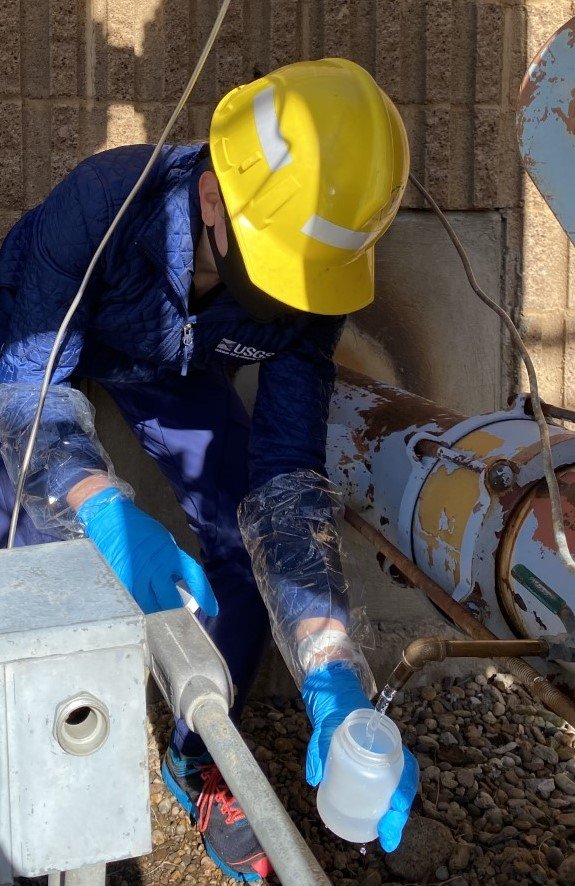
Corresponding author Li Li noted that water quality problems can be hard to notice “because you can't visually observe the issues until they get really, really bad.” Nitrate does not change how water looks. If you have a private well, testing is up to you.
Our testing guide says to test private wells every year for bacteria and nitrates at minimum: get a lab test for a baseline, then monitor with DIY kits. If you are not sure who is responsible for your water, our well vs. city guide explains the difference. Some water problems do show up as color, taste or stains. Our taste and odor guide covers those.
Another source of drinking water at home
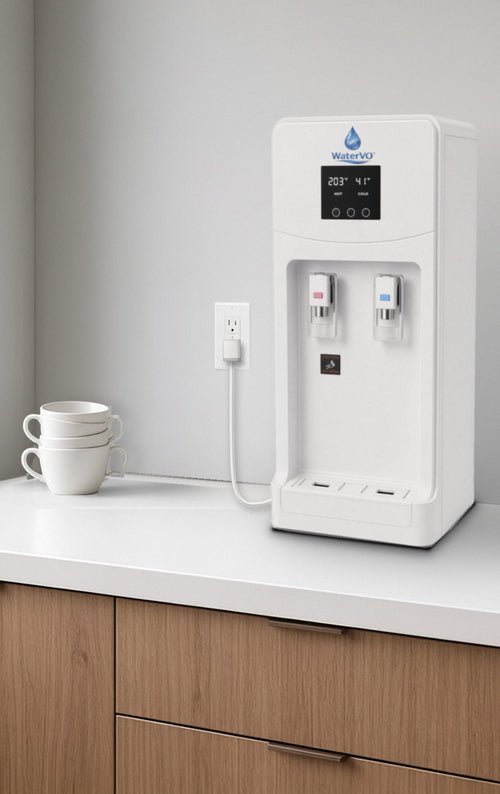
WaterVO makes drinking water from the water vapor in room air, with no well or plumbing line: https://watervo.com. “WaterVO began with a simple idea — better drinking water shouldn't require another plastic bottle.”
Disclosure: Hydrology University may earn a commission from referral links on some guide pages.
Hydrology University (https://hydrologyuniversity.com) · WaterVO (https://watervo.com)
Page URL https://hydrologyuniversity.com/blog/nitrate-rivers-dry-climates-penn-state-study-private-wells-november-2026