EPA Launches Its First PFAS TECH Strategy to Pilot New PFAS Treatment and Destruction Technologies
Hydrology University ·
- Current News
- PFAS
- Policy
- Treatment
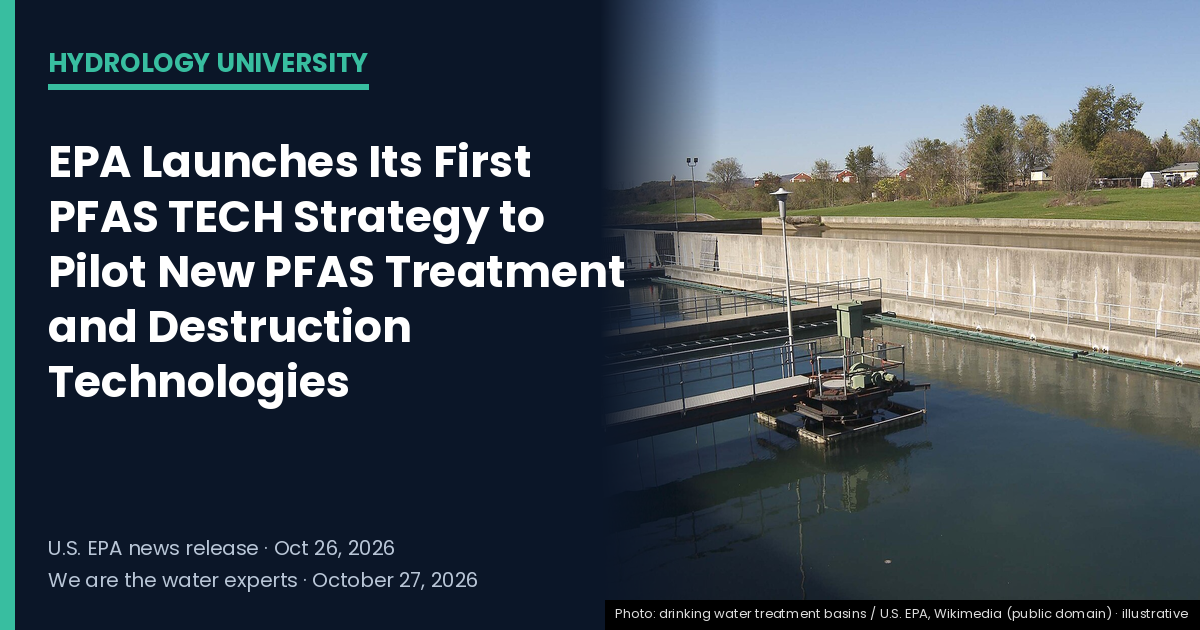
The U.S. Environmental Protection Agency has launched its first agency-wide PFAS TECH strategy, short for PFAS Technology, Evaluation, Coordination, and Harmonization. EPA Administrator Lee Zeldin announced it on October 26, 2026, at an event in Commerce City, Colorado, according to an EPA news release. The agency says the strategy is meant to speed up new PFAS treatment and destruction technologies while giving communities practical tools, funding and technical assistance.
We are the water experts. Here is what EPA announced, what it plans to test and what it means for your own tap.
What EPA announced
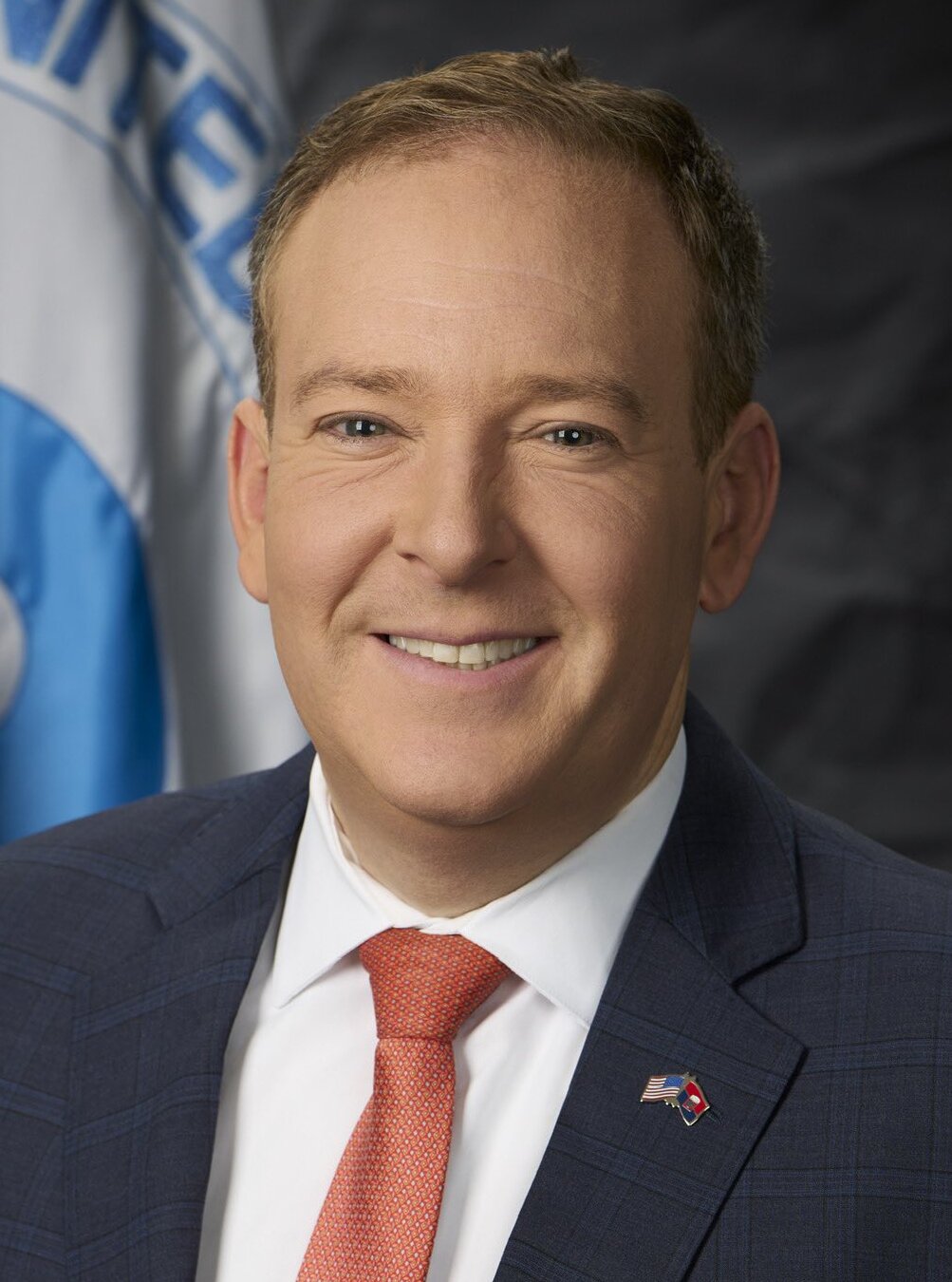 EPA Administrator Lee Zeldin. Photo: U.S. EPA.
EPA lists three goals for the strategy, according to the release:
- Power innovation in research and development. EPA plans to speed up new PFAS treatment and destruction technologies through funding, new partnerships and support for early-stage work, including testing methods such as foam fractionation and supercritical water oxidation with federal partners, states, local businesses, universities and water systems.
- Demonstrate what's possible through pilot-scale projects. EPA plans projects at Superfund sites, military facilities, wastewater treatment plants and drinking water systems to test performance under real conditions and show communities which cleanup options are practical and scalable.
- Translate progress into practical actions. That includes user-friendly guidance, a new Break the Bond Navigator, updated technology information and help for water systems to access funding and technical assistance.
Pilots, grants and partnerships
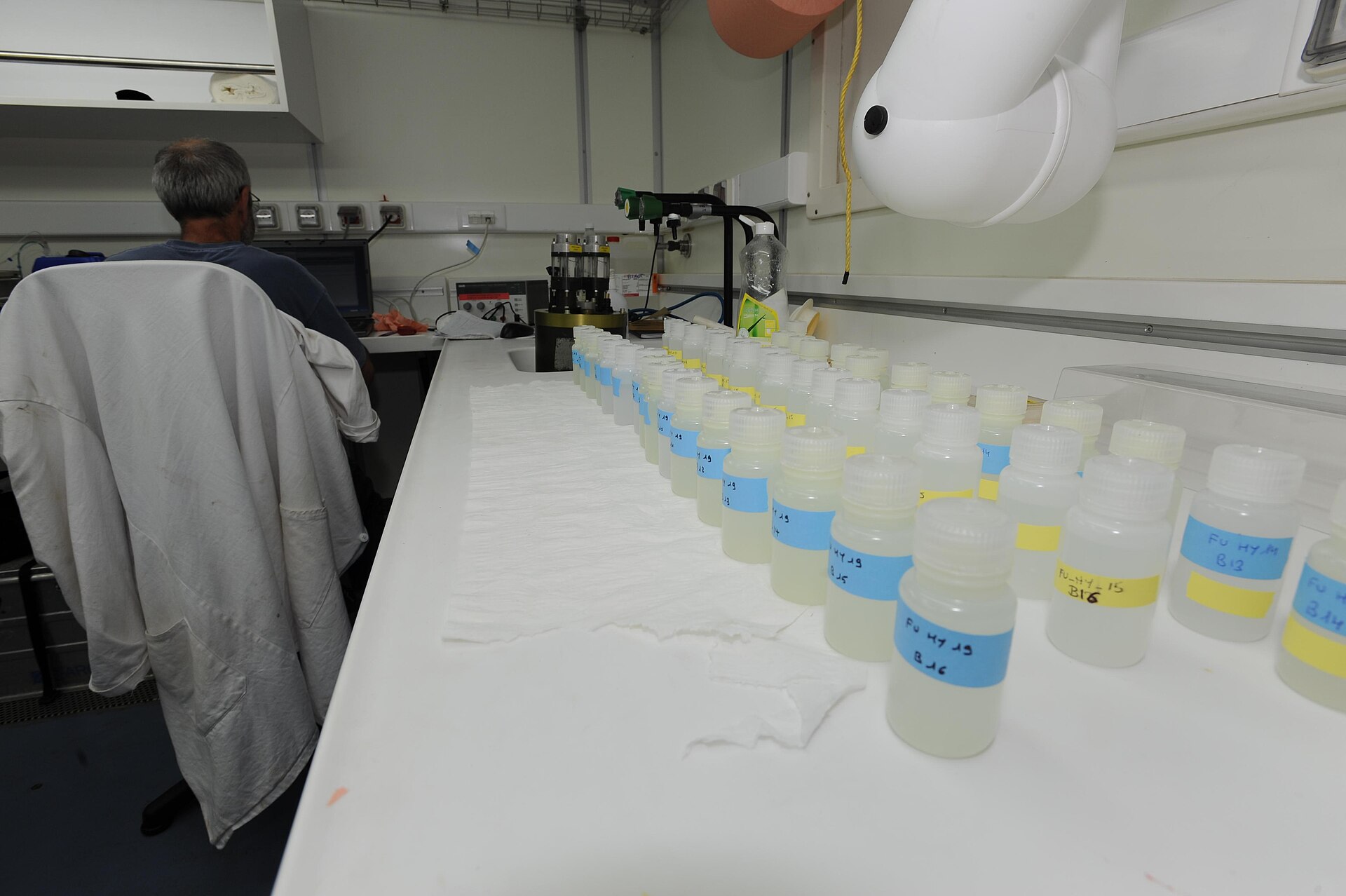 Illustrative. Water samples awaiting lab analysis. Photo: Stéphane Lesbats, Ifremer, via Wikimedia Commons (CC BY 4.0).
- Research grants. EPA says it intends to issue grant funding for research on destroying PFAS, including through its Science to Achieve Results (STAR) and Small Business Innovation Research (SBIR) grant programs.
- Public-private partnerships. "Partnerships are the key to unlocking innovation and next-generation technologies," said Jess Kramer, EPA's PFAS lead and Assistant Administrator for the Office of Water. She said the partnerships are meant to speed up breakthroughs "while also reducing the cost of treatment to save money."
- Full-scale drinking water pilots. Teresa Booeshaghi, Associate Administrator for the Office of Applied Science and Environmental Solutions, said one study "is conducting full scale pilot tests to optimize the performance of drinking water treatment methods being deployed all over the country."
- Cleanup sites as test beds. Steven Cook, Principal Deputy Assistant Administrator for the Office of Land and Emergency Management, said EPA has pilot projects under way across multiple regions, from foam fractionation for PFAS in groundwater to evaluating incremental sampling, which he said "could drastically lower sampling costs."
What it means at home
 Illustrative. Photo: Fourteenzerozero via Wikimedia Commons (CC0).
New treatment technology takes years to move from pilot to the plant that serves your street. In the meantime, your water system's own testing and treatment plans are what count for your tap.
What the water experts recommend
- Read your utility's report. If you are on city water, start with your utility's annual Consumer Confidence Report, which lists what was tested and found.
- Test a private well. If you are on a well, use a certified lab that tests for PFAS.
- Match the filter to the job. Start with our PFAS guide, and see our reverse osmosis reviews for specific systems. Replace home filter cartridges on the maker's schedule.
- Consider a different starting point. Some households also look at atmospheric water generation, which makes drinking water from humidity in the air rather than from streams or wells. It uses energy. Our sister brand WaterVO makes one.
More from Hydrology University: PFAS guide · Cayce, S.C., sets PFAS settlement money aside for treatment · ASU palladium membrane breaks down PFAS in a lab test
Sources
- U.S. EPA, "EPA's First Ever PFAS TECH Strategy Spurs Innovation in Research and Technology to Address PFAS," news release, October 26, 2026: epa.gov
- U.S. EPA, PFAS TECH Strategy webpage: epa.gov
Photo: Coagulation and filtration basins at a drinking water treatment plant, by the U.S. EPA via Wikimedia Commons (public domain); cropped, headline added in the featured image. Illustrative.
Page link: https://hydrologyuniversity.com/blog/epa-pfas-tech-strategy-treatment-destruction-pilots