Groups Ask EPA to Cut the Nitrate Limit From 10 to 1 mg/L: What the Petition Says and What You Can Check
Sean Lupton-Smith ·
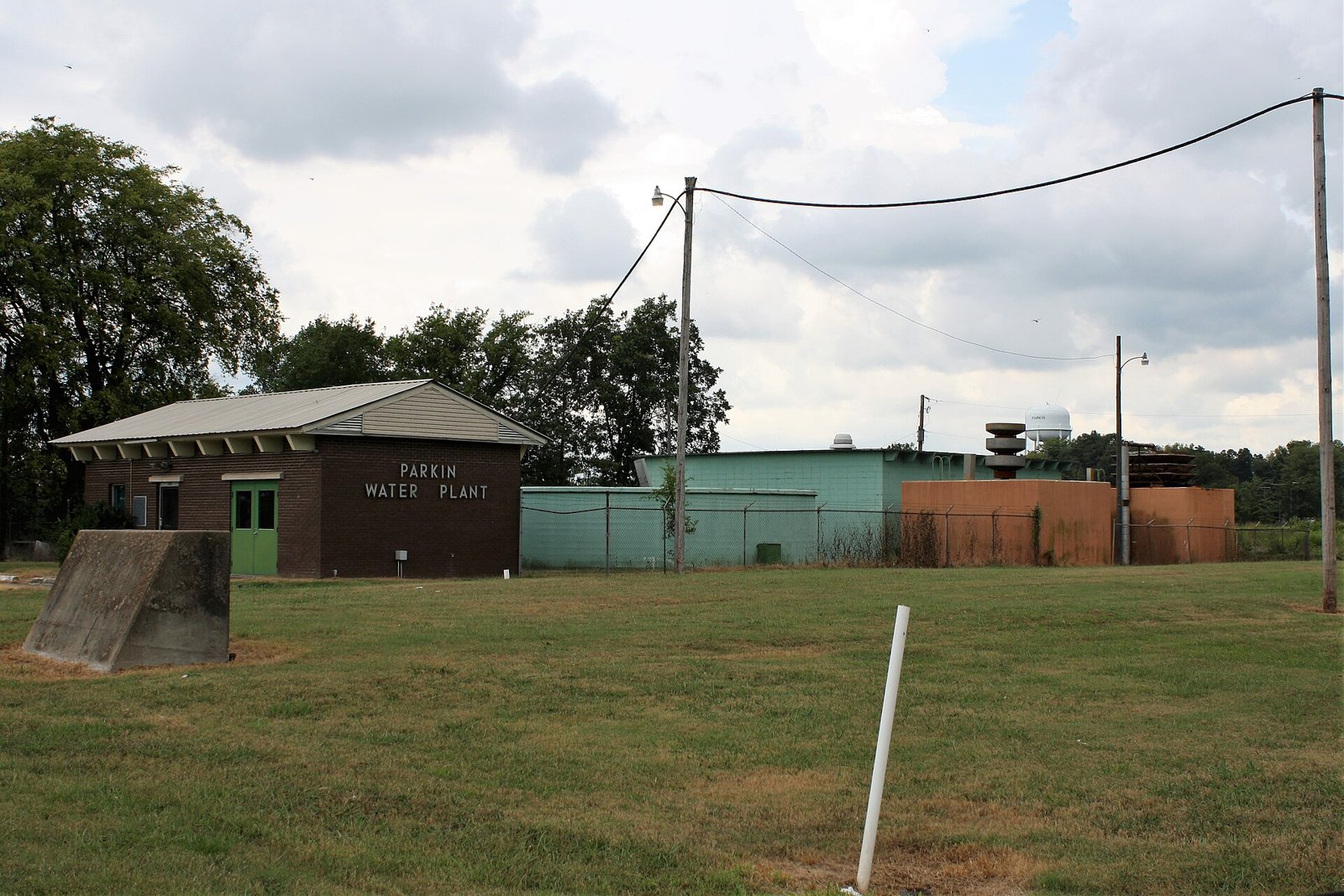
On November 16, 2026, a coalition of 16 environmental and public health groups filed a petition asking the U.S. Environmental Protection Agency to lower the federal drinking water limit for nitrate from 10 milligrams per liter to 1 milligram per liter. The filing does not change any rule yet. Here is what the petition asks for, what its numbers mean, and what you can check about your own water now.
What the petition asks EPA to do
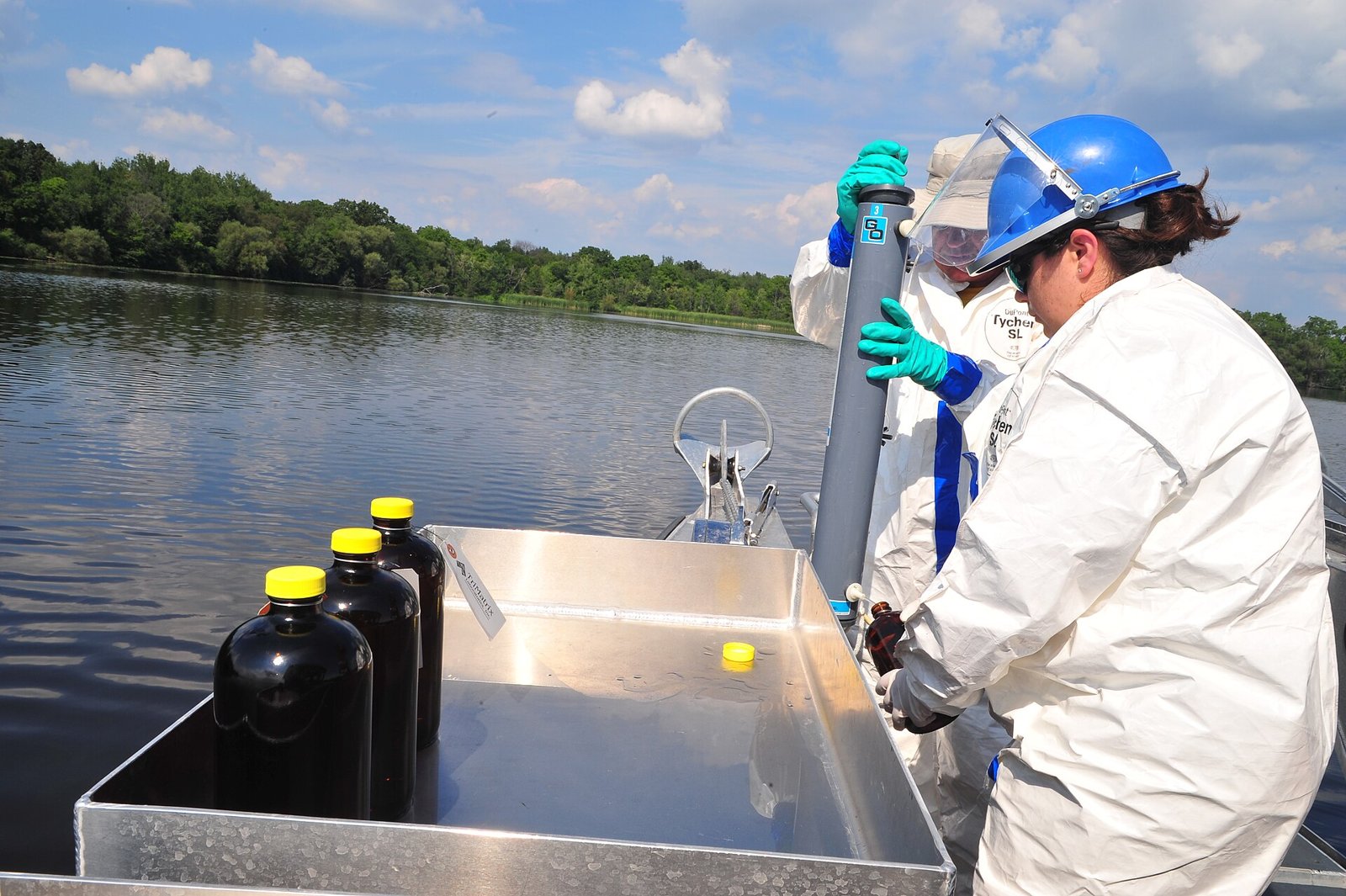
The petitioners include Food & Water Watch, the Natural Resources Defense Council, Environmental Working Group, Union of Concerned Scientists and Alliance for the Great Lakes. They ask EPA to cut the enforceable limit, called a maximum contaminant level, by 90%, from 10 mg/L to 1 mg/L, to set an interim 1 mg/L standard while EPA considers a permanent change, and to set a health goal of zero. Food & Water Watch says the current 10 mg/L limit was first adopted in 1975 and has not been updated since. The groups say research since then has linked nitrate below today's limit with higher health risks; EPA has not responded with a proposed rule. Sources: Food & Water Watch and Environmental Protection.
What the 119.7 million figure means
The petition's analysis found 13,205 community water systems, serving about 119.7 million people, that recorded at least one nitrate measurement at or above 1 mg/L between 2021 and 2023. As Environmental Protection notes, that is the number of people served by those systems, not necessarily the number of people who drank water at that level all the time. The petition also estimates about $364.1 billion in public health benefits over 50 years from a 1 mg/L limit, against about $94.5 billion in compliance costs, and it lists ion exchange, reverse osmosis and biological denitrification as treatment options utilities could use.
What has not changed
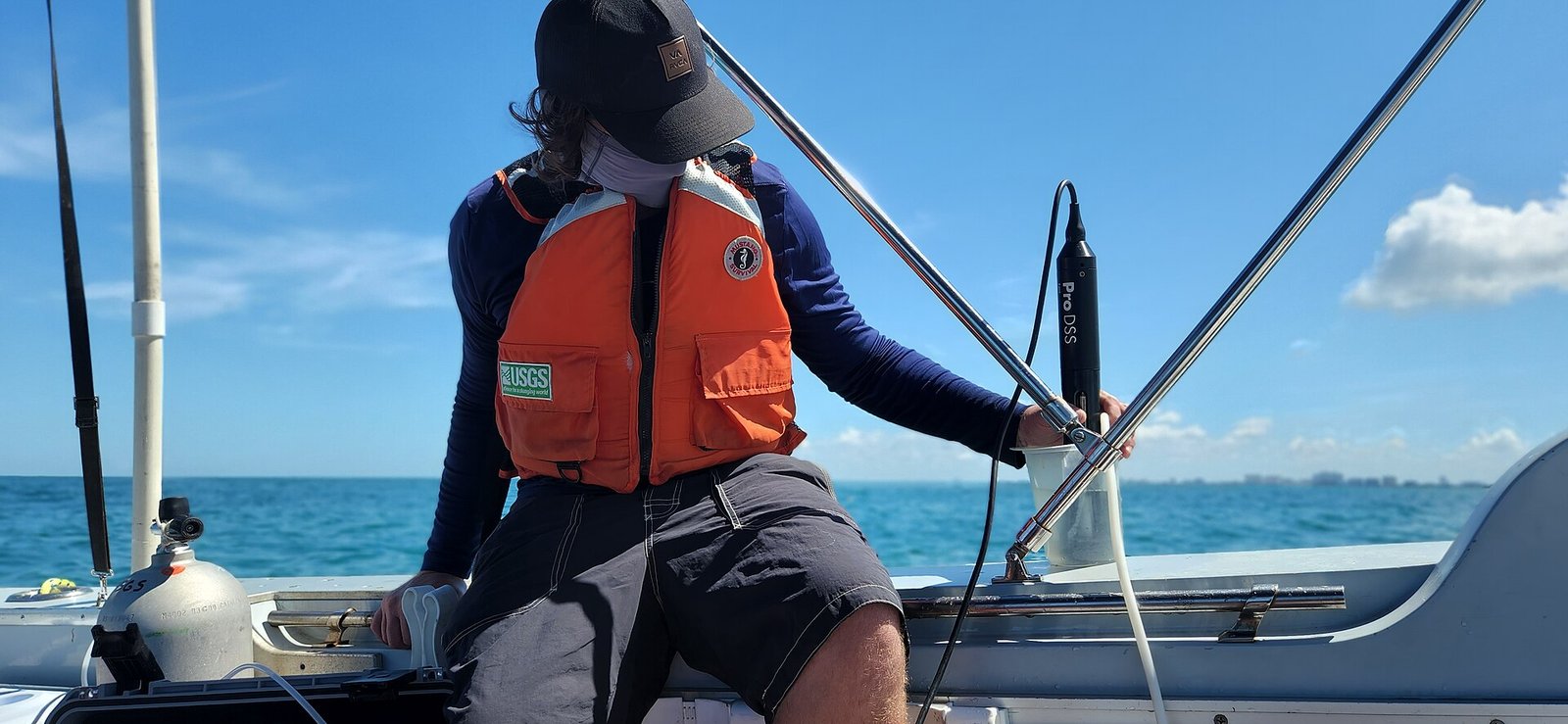
Today's federal limit for nitrate, measured as nitrogen, is still 10 mg/L. EPA's drinking water regulations table lists the main sources as "Runoff from fertilizer use; leaking from septic tanks, sewage; erosion of natural deposits." A petition is a request, not a rule. Any change to the enforceable limit would need further regulatory action by EPA. Source: EPA, National Primary Drinking Water Regulations. Our November 13 post covers a Penn State study on nitrate in rivers. Learn more.
If you have a private well
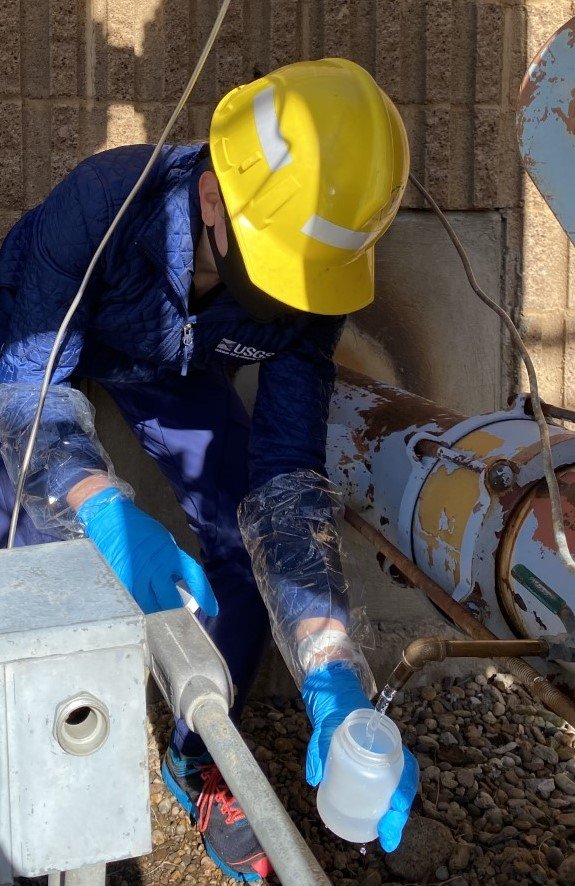
The federal limit applies to public water systems. EPA says private domestic wells are not regulated by the federal government or by most states, and that private well owners are responsible for their own drinking water. Food & Water Watch says advocates in Iowa, Minnesota, Wisconsin, Oregon and Washington have separately petitioned EPA for emergency action for private well users. Source: EPA, Private Drinking Water Wells. Our testing guide suggests testing a private well every year for bacteria and nitrates at minimum. Learn more.
Quick answers
Q: Did EPA lower the nitrate limit in November 2026? A: No. On November 16, 2026, a coalition of groups petitioned EPA to lower it from 10 mg/L to 1 mg/L. The filing does not change existing requirements, and EPA has not announced a proposed rule in response.
Q: How can I find the nitrate level in my tap water? A: If you get water from a utility, read its annual Consumer Confidence Report. EPA says suppliers must send it each year by July 1. If you have a private well, testing is up to you.
If you are on a public system, start with your utility's annual water quality report. Source: EPA, Consumer Confidence Reports. For how EPA studies contaminants that are not yet regulated, see our post on the draft CCL 6. Learn more.
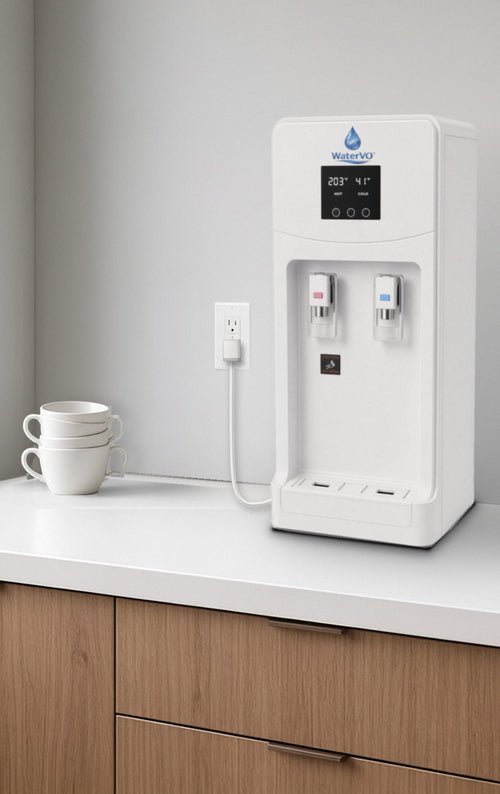
Some readers are also looking at other ways to source drinking water at home, such as water-from-air units like the WaterVO Countertop.
Sources: Food & Water Watch, November 16, 2026 · Environmental Protection, November 17, 2026 · EPA, "National Primary Drinking Water Regulations" · EPA, "Private Drinking Water Wells" · EPA, "Consumer Confidence Report Information for Consumers" (all checked November 20, 2026)
Hydrology University · WaterVO
Page link: https://hydrologyuniversity.com/blog/nitrate-limit-petition-epa-10-to-1-mg-l-november-2026