Watertown, Wisconsin Lead Notice: What a Lead Action Level Exceedance Means for Your Tap
Sean Lupton-Smith ·
On Friday, November 20, 2026, Watertown Waterworks in Watertown, Wisconsin, told residents that more than 10% of the tap water samples it collected this summer had lead above the federal and state action level. A notice like this can sound alarming, and it is worth understanding. Here is what the utility said, what a lead action level is, what changes under EPA's updated lead rule in November 2027, and how to check the lead level at your own tap.
What Watertown announced
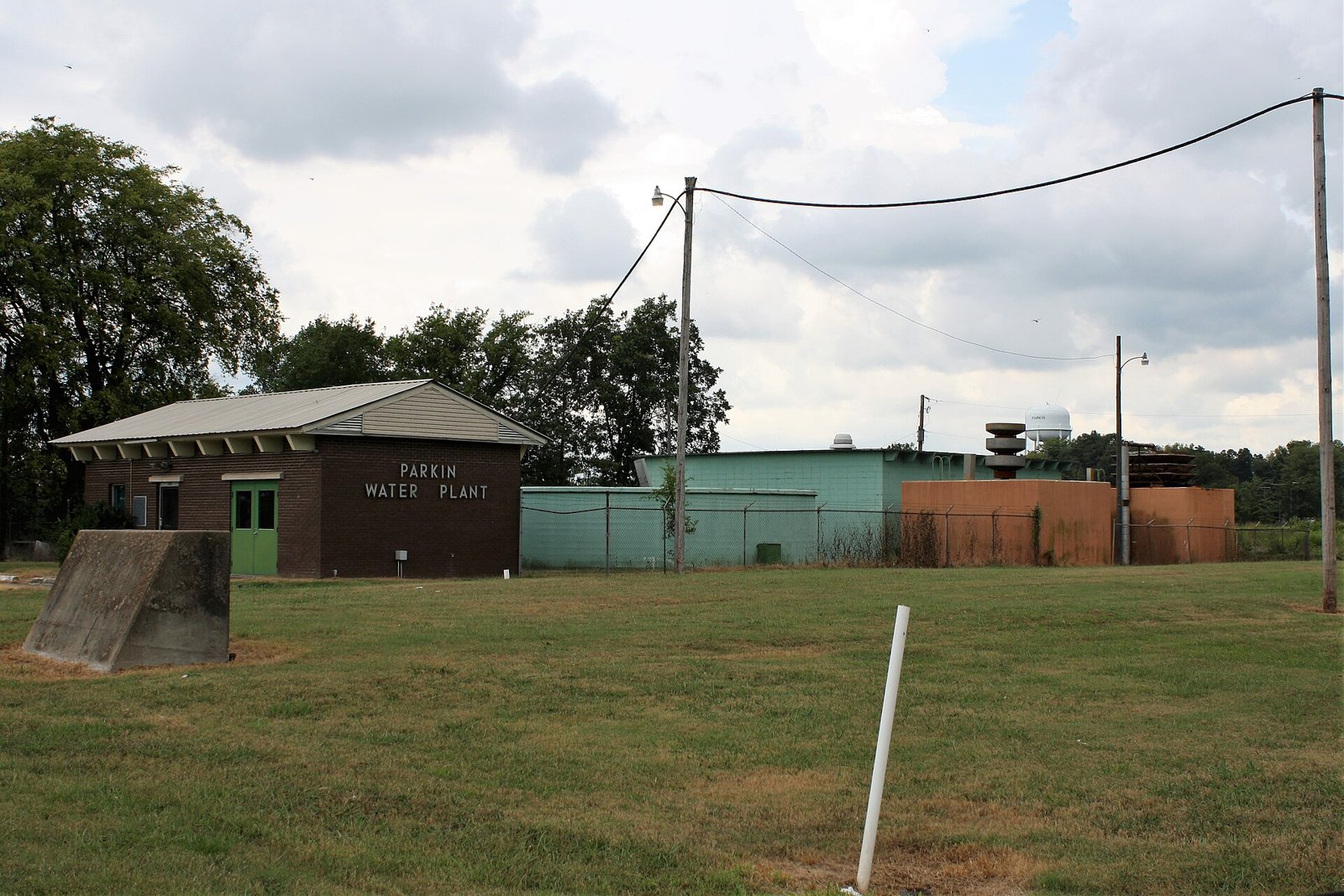
City officials said that of 33 tap water samples collected from June through September 2026, more than 10% had lead above the federal and state action level. Watertown Waterworks said it is continuing to monitor the city's water for lead and copper, and that it is working to replace all lead service lines in the city by November 2027. Residents can call the City of Watertown Department of Public Health at 920-262-8090 about getting a child checked for lead, and Watertown Waterworks at 920-262-4075 about getting their water checked for lead. Source: Channel 3000.
What a lead action level is

Under EPA's Lead and Copper Rule, utilities collect samples at customer taps. If more than 10% of those samples are above the lead action level of 15 parts per billion, the system must take further steps to control pipe corrosion, must tell the public what steps to take, and may have to replace lead service lines it controls. An action level is a trigger for those steps, not a health limit. EPA's health-based goal for lead in drinking water is zero, because lead can be harmful even at low exposure levels. Sources: EPA, Lead and Copper Rule and EPA, Basic Information about Lead in Drinking Water.
What residents were asked to do
Until the lead lines are replaced, Watertown asked residents to run their water for 15 to 30 seconds before using it, to use cold water for cooking and for preparing baby formula, to consider bottled water or a water filter, and to clean faucet aerators regularly. EPA gives similar advice: sediment and lead particles can collect in an aerator, and if you use a filter, choose one certified to reduce lead and do not run hot water through it. Ask your own utility how long to flush, since EPA says flushing times vary by community. Our lead guide explains which certification to look for on a filter listing. Learn more.
How to check lead at your own tap
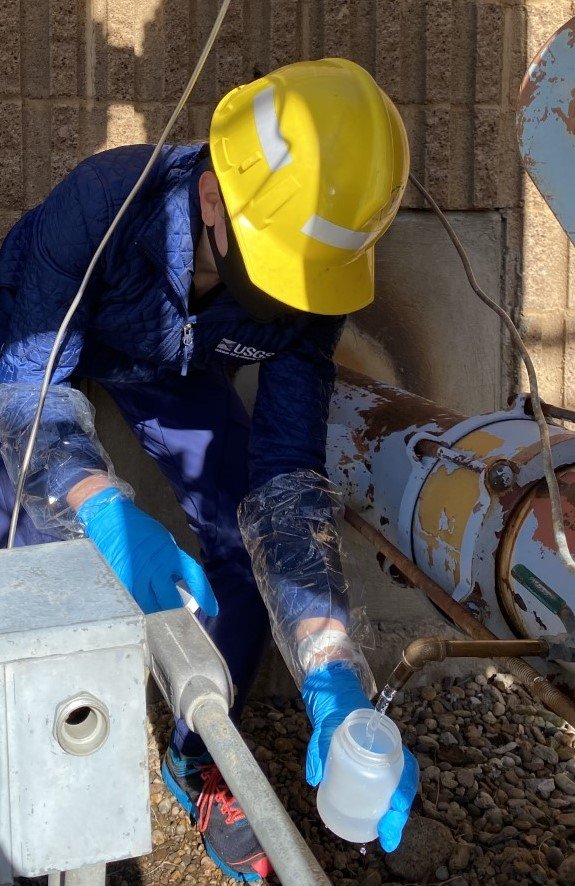
A utility's samples come from a set of homes, so they cannot tell you the lead level in your own glass. Lead usually comes from plumbing, such as a lead service line, lead solder or older fixtures, rather than from the source water. Start by asking your utility whether it offers lead sampling, or use a certified lab and follow its first-draw instructions. EPA says your state or local drinking water authority keeps a list of certified laboratories. Learn more. Your utility's annual water quality report lists its lead sampling results; our post on reading those reports explains what "not detected" does and does not mean. Learn more.
What changes in November 2027
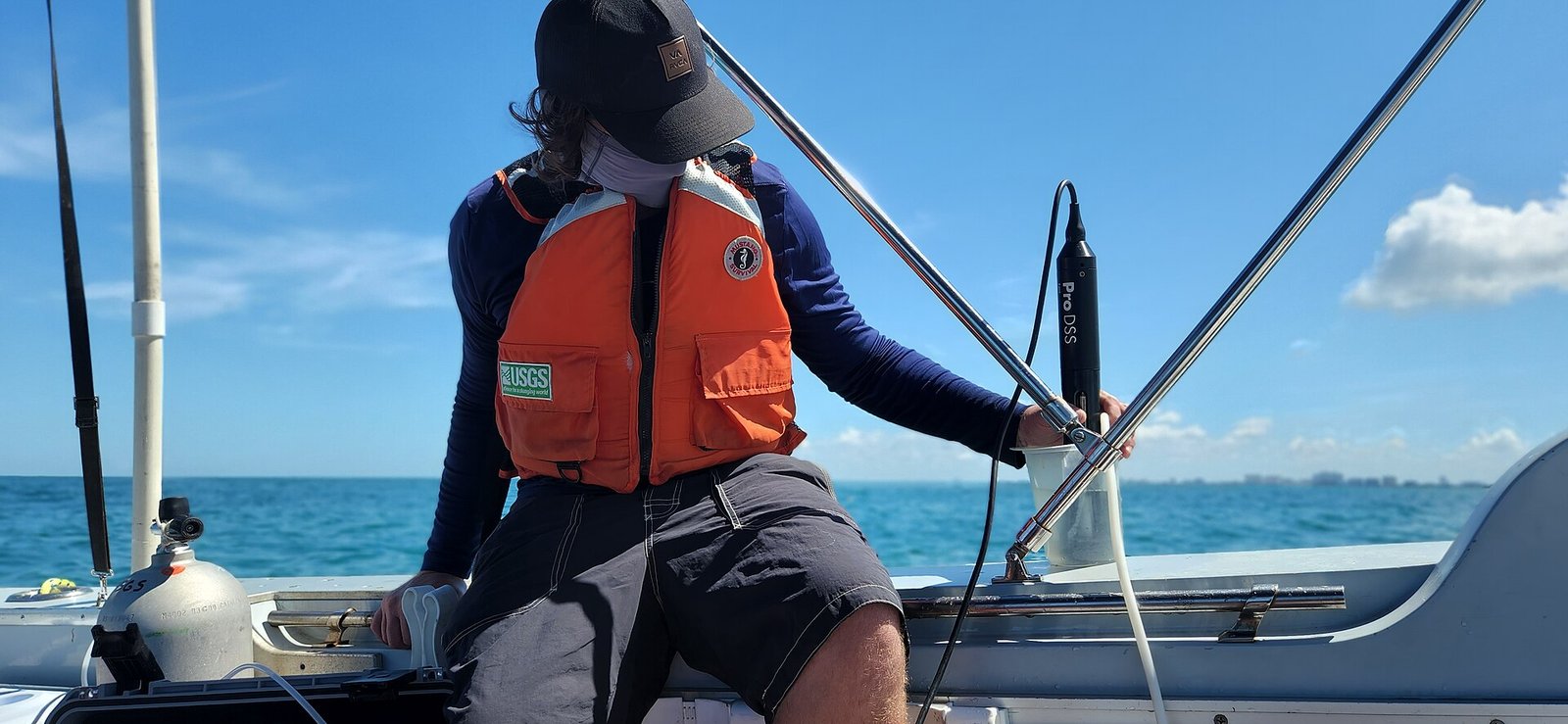
EPA's Lead and Copper Rule Improvements, finalized in October 2024, require water systems across the country to identify and replace lead pipes within 10 years. EPA's regional drinking water newsletter says that after the November 1, 2027 compliance date, the lead action level drops to 10 parts per billion, and new tap sampling and service line inventory updates begin. Watertown's November 2027 target for replacing its lead service lines lines up with that date. Sources: EPA, Lead and Copper Rule Improvements and EPA Region 8 newsletter.
Quick answers
Q: What does a lead action level exceedance mean? A: It means more than 10% of a utility's tap samples were above EPA's lead action level, now 15 parts per billion. That triggers required steps such as corrosion control and public notice. It is a trigger for action, not a health limit.
Q: Is the lead action level changing? A: It is scheduled to. Under EPA's Lead and Copper Rule Improvements, the action level drops to 10 parts per billion after the November 1, 2027 compliance date, according to EPA.
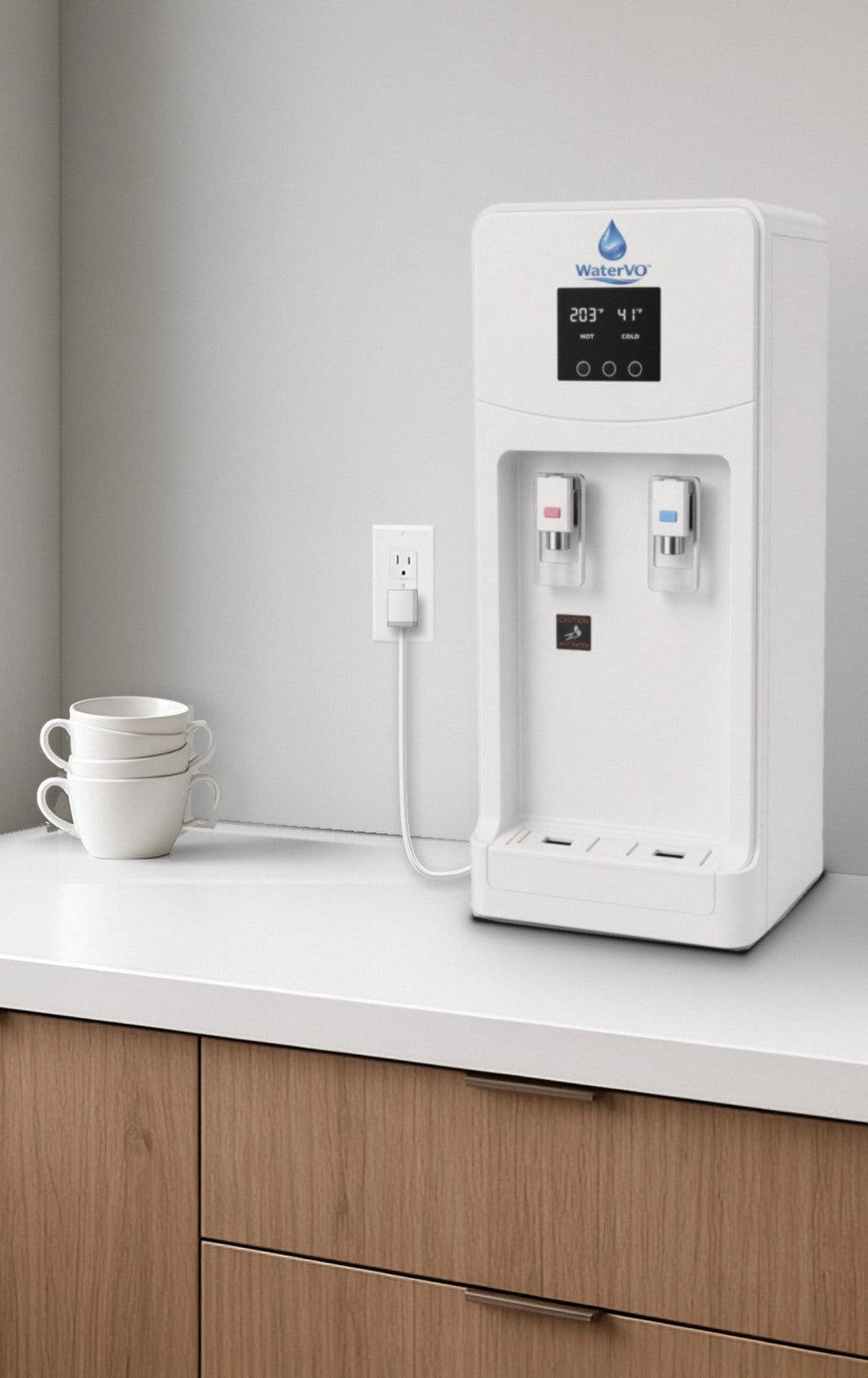
Some readers are also looking at other ways to source drinking water at home, such as water-from-air units like the WaterVO Countertop.
Sources: Channel 3000, November 20, 2026 · EPA, "Lead and Copper Rule" · EPA, "Basic Information about Lead in Drinking Water" · EPA, "Lead and Copper Rule Improvements" · EPA Region 8 drinking water newsletter, September and October 2026 (all checked November 22, 2026)
Hydrology University · WaterVO
Page link: https://hydrologyuniversity.com/blog/watertown-wisconsin-lead-action-level-exceedance-november-2026