"Not Detected" Does Not Mean Zero: What a TCU Study Says About PFAS in U.S. Water Reports
Sean Lupton-Smith ·
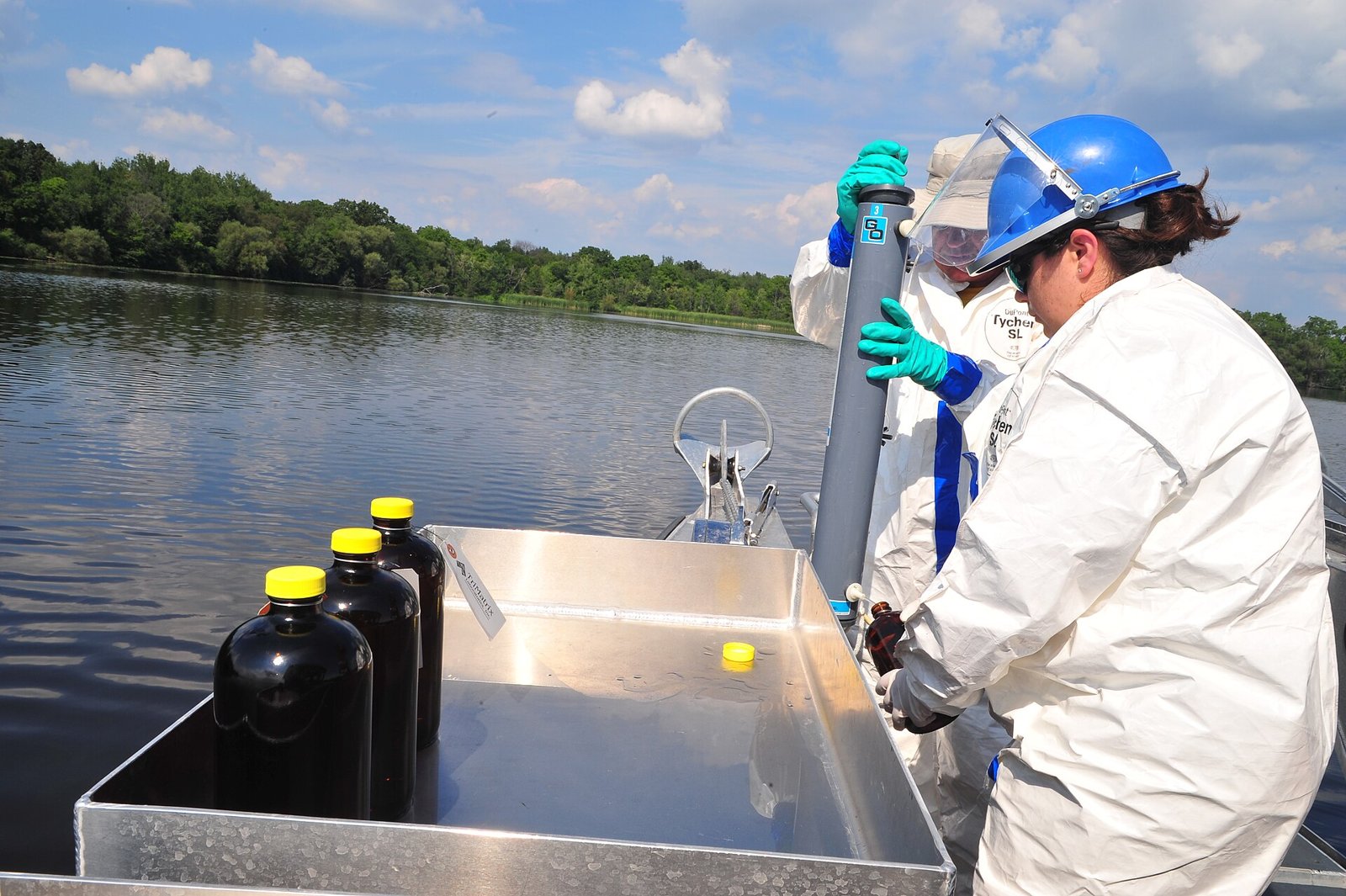
When your water report lists a PFAS chemical as "not detected," it is easy to read that as zero. A study led by Texas Christian University, published October 23, 2026 in the journal Cell Reports Sustainability and covered by EHSLeaders on November 19, says that reading can undercount how much PFAS is in U.S. drinking water overall. Here is what the researchers found, what a reporting limit is, where the federal limits stand, and how to read your own report.
What the study looked at
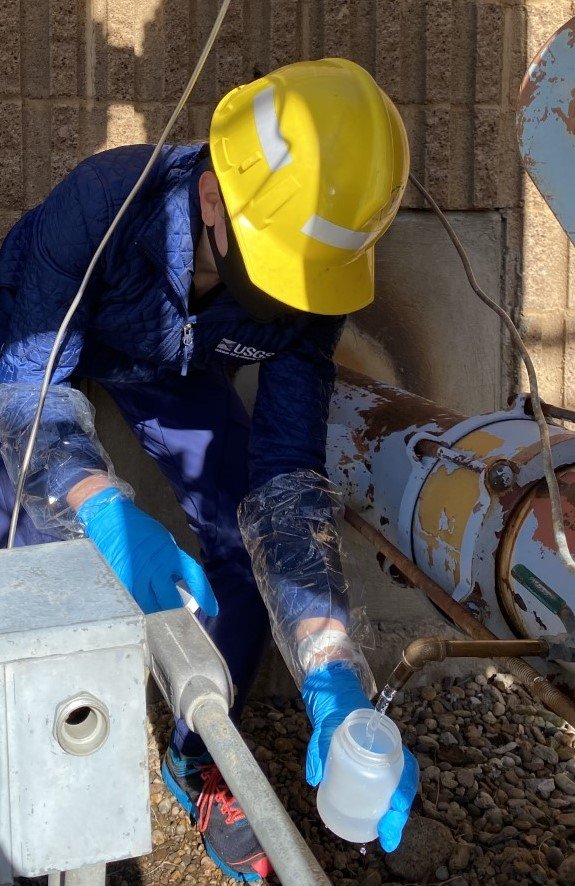
The researchers, led by TCU associate professor Gehendra Kharel with coauthors from TCU, the University of Florida and Oklahoma State University, examined more than 1.8 million PFAS measurements from EPA's fifth Unregulated Contaminant Monitoring Rule, known as UCMR 5. Under UCMR 5, public water systems sampled for 29 PFAS and lithium between 2023 and 2025, and EPA released the final dataset in August 2026. About 98% of the PFAS results fell below EPA's minimum reporting levels. Sources: TCU News and EPA, UCMR 5.
Why "not detected" is not the same as zero

Using statistical models to estimate possible levels below the reporting limits, the researchers found that counting those results as zero captured only 44% of the estimated average concentration of 25 PFAS across 9,991 community water systems, weighted by the number of people each system serves. EHSLeaders reports that for the six PFAS in EPA's 2024 drinking water rule, counting them as zero captured about 50% of the model estimate. "When a water quality report says 'not detected,' that means below the reporting limit, not zero," Kharel said. TCU notes that the findings do not mean every result below a reporting limit is a health risk, or that any water system is out of compliance; the study is about how PFAS results are summarized. Source: EHSLeaders.
What a reporting limit is
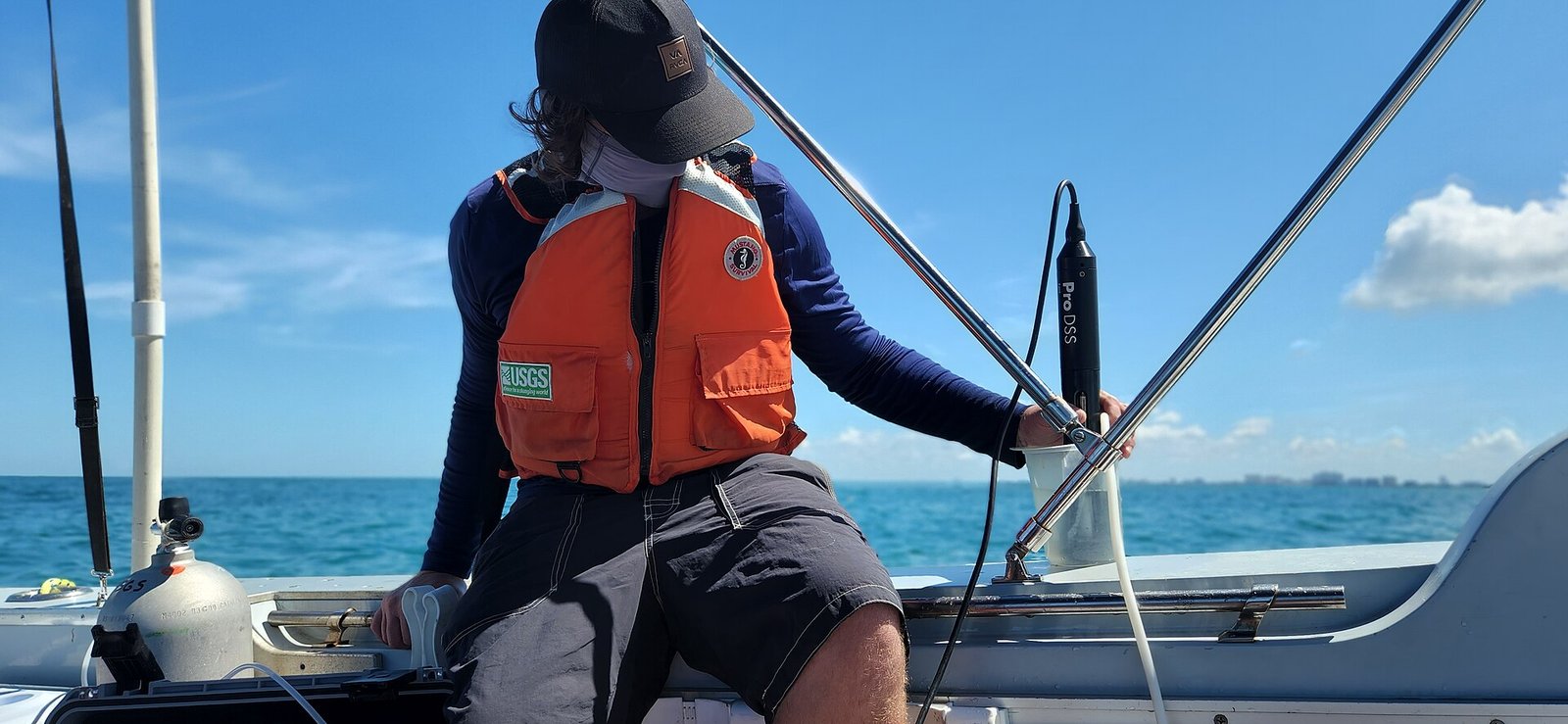
EPA defines the UCMR minimum reporting level as the lowest concentration that, with 95% confidence, at least 75% of laboratories nationwide can measure with a specified method. For the 29 PFAS in UCMR 5, those levels range from 2 to 20 parts per trillion, depending on the chemical. Only results at or above the reporting level are reported to EPA, and EPA says the levels are set for consistent data, not from health effects information. Source: EPA, UCMR 5.
Where federal PFAS limits stand

EPA's 2024 drinking water rule set enforceable limits of 4.0 parts per trillion each for PFOA and PFOS and 10 parts per trillion each for PFHxS, PFNA and HFPO-DA (GenX), plus a Hazard Index limit for mixtures, with water systems given until 2029 to act if they exceed them. On May 18, 2026, EPA proposed two changes: an option for systems to request two more years, to 2031, to meet the PFOA and PFOS limits, and a separate rule to rescind the limits for PFHxS, PFNA, GenX and the Hazard Index mixture. Both are proposals. Source: EPA, PFAS drinking water regulation. For EPA's list of contaminants it is studying but does not yet regulate, see our post on CCL 6. Learn more.
How to read your own water report
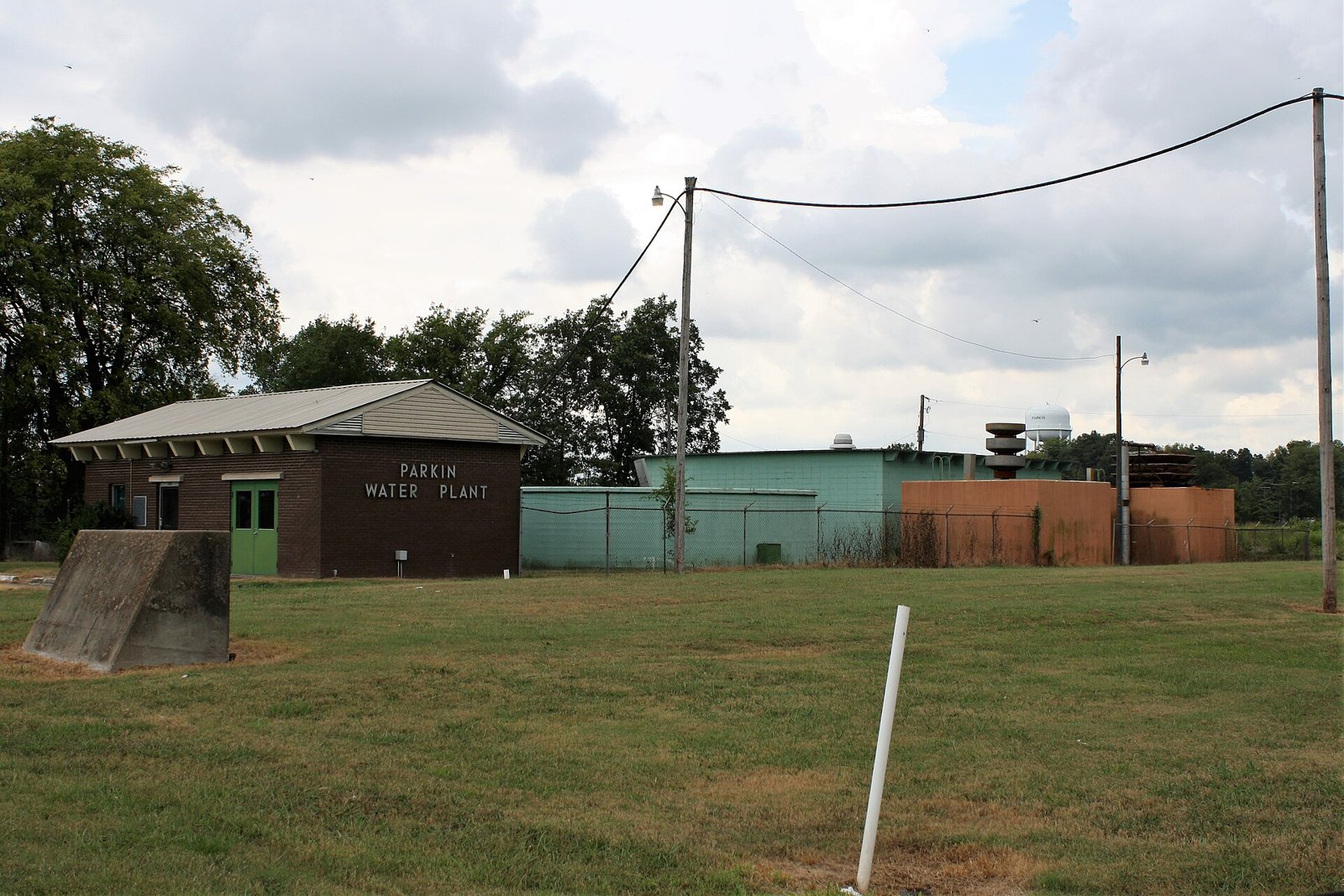
If you get water from a utility, start with its annual Consumer Confidence Report, which EPA says suppliers must send each year by July 1. EPA says community water systems must list UCMR results in that report when a contaminant is found at or above the reporting level, with the average and range. A PFAS that is not listed, or listed as not detected, had no result at or above that level, which is not the same as zero. You can also look up results by water system, state and contaminant in EPA's UCMR 5 Data Finder. Sources: EPA, Consumer Confidence Reports and EPA, UCMR 5 Data Finder. For a full baseline, our testing guide suggests an accredited lab test that includes PFAS. Learn more. A home TDS meter gives one reading for everything dissolved and does not identify specific contaminants such as PFAS. Learn more.
Quick answers
Q: Does "not detected" on a water report mean there is no PFAS? A: Not necessarily. It means no result at or above the minimum reporting level. For the 29 PFAS in EPA's UCMR 5 program, those levels range from 2 to 20 parts per trillion.
Q: What are the federal PFAS drinking water limits right now? A: EPA lists 4.0 parts per trillion each for PFOA and PFOS, and 10 parts per trillion each for PFHxS, PFNA and HFPO-DA, plus a Hazard Index for mixtures. In May 2026, EPA proposed more time, to 2031, for PFOA and PFOS, and proposed rescinding the other limits. Both are still proposals.
Some readers are also looking at other ways to source drinking water at home, such as water-from-air units like the WaterVO Countertop.
Sources: TCU News, October 23, 2026 · EHSLeaders, November 19, 2026 · EPA, "Fifth Unregulated Contaminant Monitoring Rule" · EPA, "Per- and Polyfluoroalkyl Substances (PFAS)" drinking water regulation · EPA, "Consumer Confidence Report Information for Consumers" · EPA, UCMR 5 Data Finder (all checked November 21, 2026)
Hydrology University · WaterVO
Page link: https://hydrologyuniversity.com/blog/pfas-not-detected-below-reporting-limit-tcu-study-november-2026