Marshfield, Wisconsin, Lines Up $11.2 Million for a Permanent PFAS Treatment Plant: How Anion Exchange Works
Sean Lupton-Smith ·
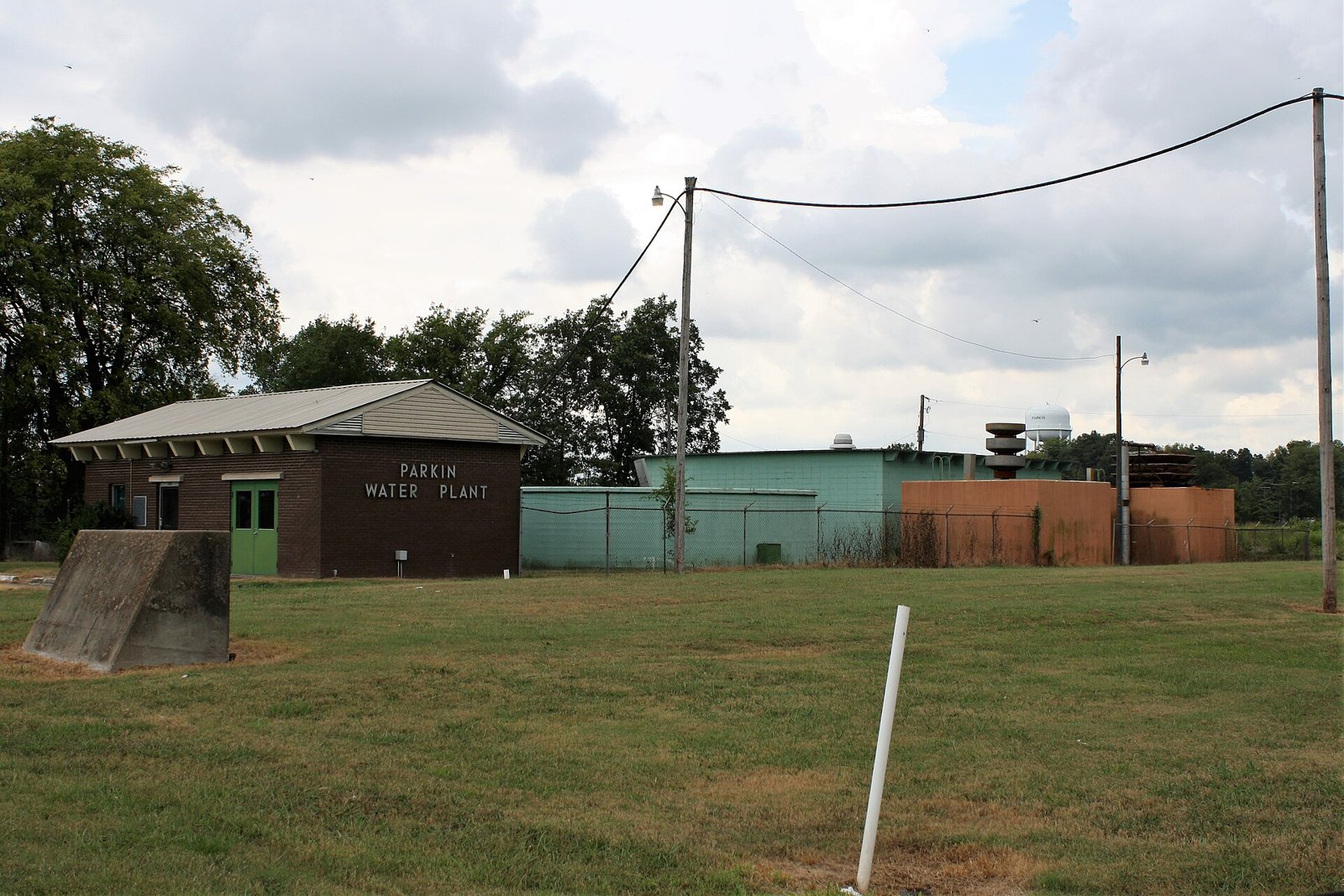
Marshfield, Wisconsin, has been allocated $11,199,760 in state drinking water loan funding to build a permanent PFAS treatment plant at its southside wellfield. Gov. Tony Evers and the Wisconsin Department of Natural Resources announced the award on November 16, 2026, and the Marshfield News-Herald reported the local details on November 18. Here is what the city's utility has in place now, how the anion exchange treatment it uses works, what the reported PFOS figure means next to the limits, and what you can check about your own water. This is general information, not engineering or medical advice.
What Marshfield was allocated
The governor's November 16 release lists Marshfield's allocation as $11,199,760, of which $7,000,000 is principal forgiveness and the remaining $4,199,760 is available at a subsidized interest rate. The release says the funding will be awarded to municipalities over the next year and disbursed as eligible costs are incurred. The DNR's state fiscal year 2027 funding list describes the project as "Construct Treatment for PFAS for Southside Wellfield." Source: Office of the Governor of Wisconsin, November 16. Source: Wisconsin DNR funding list.
How PFAS turned up in the southside wells
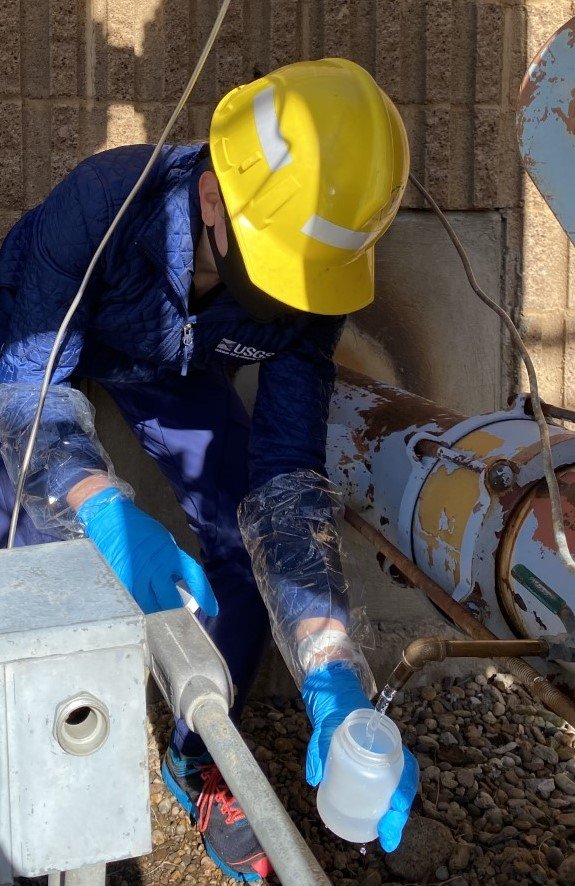
The Marshfield News-Herald reports that significant PFAS contamination was first found in May 2022, after voluntary sampling at the city's South Side Booster entry point. The four wells that serve that booster station were out of service for more than 20 months. A temporary, trailer-mounted filtration system was installed near the booster station in early 2024, and the paper says the wells were put back into service, providing 1.2 million gallons of water a day to the city's system. Source: Marshfield News-Herald, November 18.
How anion exchange treatment works
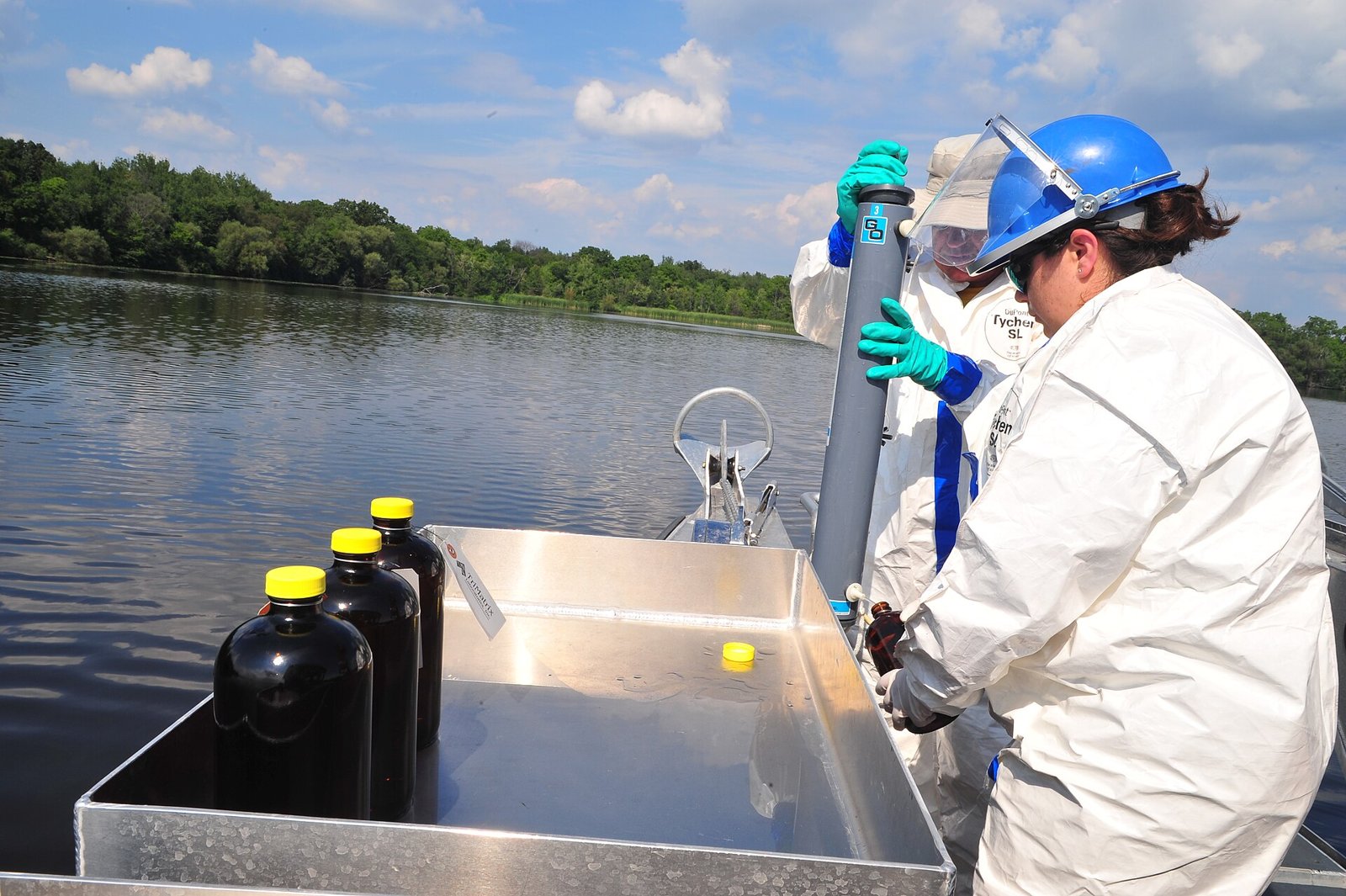
According to the News-Herald, the temporary system has eight tanks in which water interacts with an anion exchange resin, in a process the paper compares to a water softener. In general terms, many PFAS, including PFOS, carry a negative charge in water, and an anion exchange resin is designed to hold negatively charged ions as water flows through it. Over time the resin's capacity is used up and it has to be replaced. The paper says the resin in Marshfield's temporary system is expected to last at least two years, and that timing its replacement takes significant sampling.
Why a permanent plant, and what lead-lag means
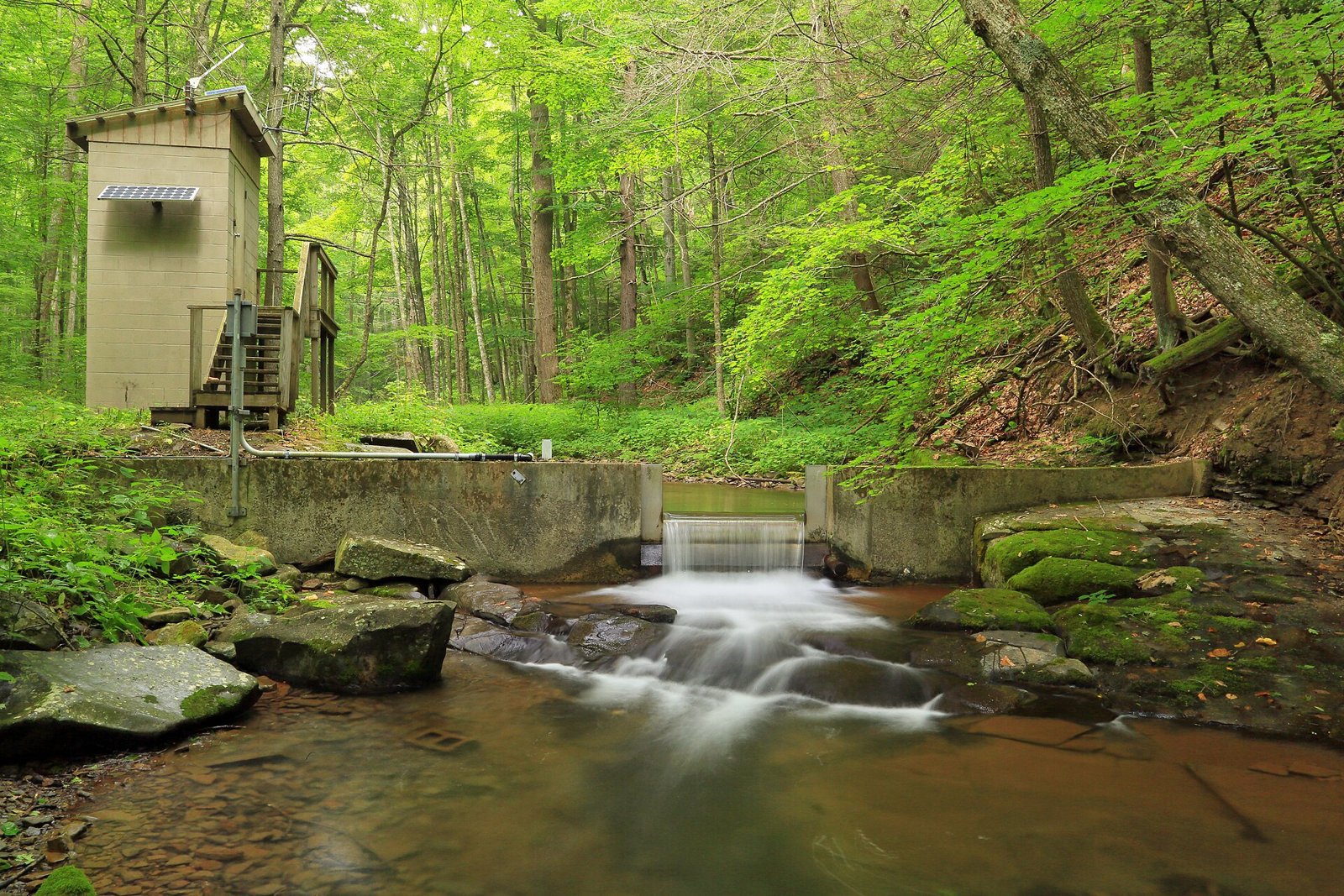
Utility water manager John Richmond told the utility commission on October 12 that a permanent facility would end the temporary setup and its ongoing costs, the paper reports. It would also use a "lead-lag" arrangement: two redundant beds of treatment media, so one can be replaced as it reaches the end of its lifespan while the other continues to treat the water. The News-Herald says the $1.4 million temporary system was also paid for through the state loan program. General manager Nick Kumm said the award does not commit the city or the utility to the project; the utility commission and the Common Council will consider next steps in the coming months, and construction bids are expected in spring 2027.
What 29.7 parts per trillion means next to the limits

Kumm reported PFOS at 29.7 parts per trillion in recent results, against a DNR limit of four parts per trillion, the paper says. He also said results have gradually decreased over time, with no guarantee they will keep falling. The article does not say where in the system that figure was measured. For comparison, EPA's April 10, 2024 rule set enforceable limits of 4.0 parts per trillion for PFOA and for PFOS. EPA's PFAS page says that on May 18, 2026, the agency proposed keeping those two limits while letting systems request two more years, to 2031, to comply; that proposal is not final. Source: EPA, Per- and Polyfluoroalkyl Substances (PFAS). To see figures for your own utility, start with its annual water quality report; our testing guide explains how to have your own tap sampled by a certified lab. Learn more.
Quick answers
Q: Does the award mean Marshfield will build the plant? A: Not yet. Marshfield Utilities general manager Nick Kumm said the award does not commit the city or the utility to the project. Local approvals come next, and construction bids are expected in spring 2027, according to the Marshfield News-Herald.
Q: What is anion exchange? A: A treatment method in which water flows through a resin designed to hold negatively charged ions, including many PFAS. The resin is replaced when its capacity is used up. Marshfield's temporary system uses eight resin tanks.
Our November 21 post explains what a "not detected" PFAS result means. Learn more.
Some readers are also looking at other ways to source drinking water at home, such as water-from-air units like the WaterVO Countertop.
Sources: Office of the Governor of Wisconsin, November 16, 2026 · Wisconsin DNR, SDWLP SFY 2027 Funding List (revised November 17, 2026) · Marshfield News-Herald, November 18, 2026 · EPA, "Per- and Polyfluoroalkyl Substances (PFAS)" (all checked November 24, 2026)
Hydrology University · WaterVO
Page link: https://hydrologyuniversity.com/blog/marshfield-wisconsin-pfas-treatment-plant-anion-exchange-november-2026