Unregulated PFAS in Wayland, Massachusetts: What UCMR 5 Found, and What It Does Not Mean
Sean Lupton-Smith ·

Three PFAS compounds turned up in Wayland, Massachusetts, drinking water under a federal monitoring program, and none of the three currently has a federal drinking-water limit. That is the finding The Wayland Post reported on November 20, 2026, from EPA's Fifth Unregulated Contaminant Monitoring Rule, known as UCMR 5. Here is what that program is, what the town's reported numbers were, what EPA's 2024 PFAS rule does and does not cover, and how to look up your own public water system. This is not a claim about Wayland's current compliance with any finished drinking-water rule.
What Wayland's results showed
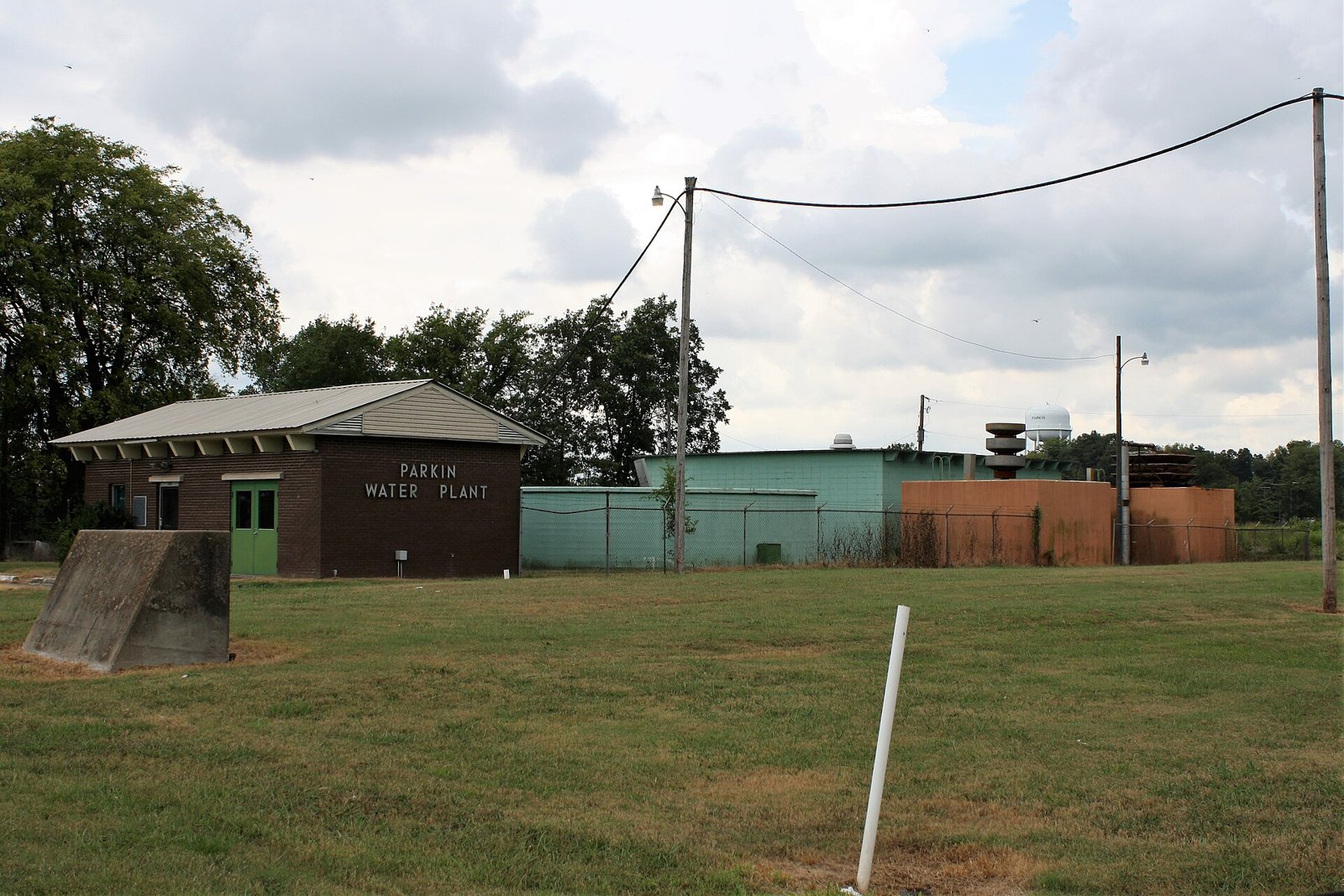
The Wayland Post, in a November 20, 2026 article, says data collected under UCMR 5 show PFHxA, PFBA and PFPeA in Wayland's drinking water. It reports Wayland's highest detections in 2023 as 10 parts per trillion of PFPeA, 5 parts per trillion of PFBA, and 4 parts per trillion of PFHxA. The article says those three compounds are not now subject to state or federal drinking-water limits. It also says Wayland Department of Public Works Director Tom Holder told the paper the town checks for those compounds through the periodic federal monitoring program, and that "We understand that the UCMR6 issuance is currently being developed." Source: The Wayland Post.
What UCMR 5 is
The Safe Drinking Water Act requires EPA, once every five years, to issue a list of unregulated contaminants for public water systems to monitor. EPA's UCMR 5 page says the fifth rule was published on December 27, 2021, and required sample collection for 30 chemical contaminants — 29 PFAS and lithium — between 2023 and 2025. EPA says this monitoring provides a basis for future actions, and that it released the final UCMR 5 dataset for those 29 PFAS and lithium in August 2026. A detection in UCMR 5 is occurrence data. It is not, by itself, a finding that a system is out of compliance with a finished drinking-water standard. Source: EPA, Fifth Unregulated Contaminant Monitoring Rule. EPA also publishes a UCMR 5 data finder that lets you look up public water system results. Source: EPA, UCMR 5 Data Finder.
What the 2024 federal PFAS rule covers — and what it does not
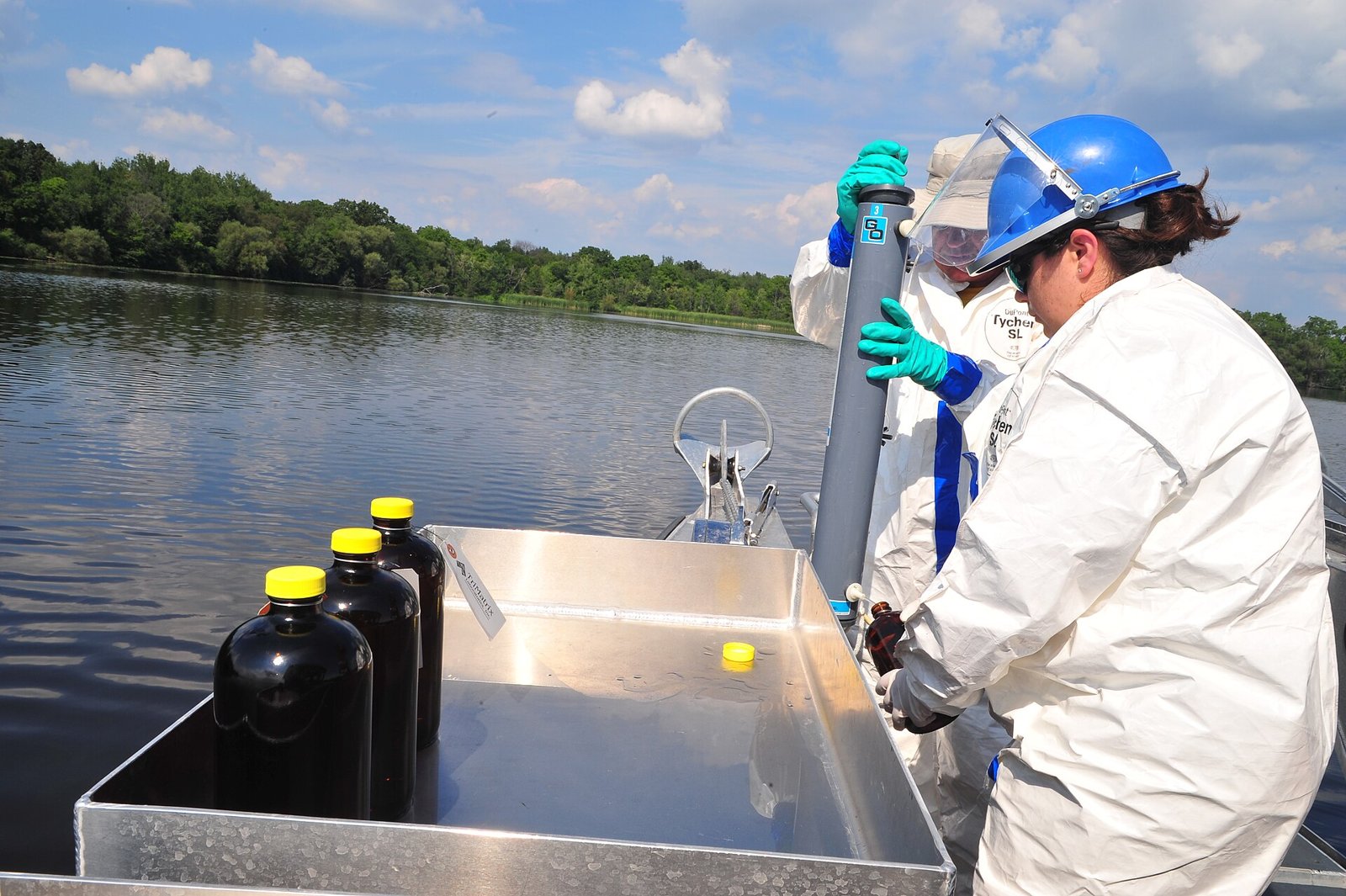
On April 10, 2024, EPA announced a final National Primary Drinking Water Regulation for six PFAS. EPA's page lists enforceable maximum contaminant levels of 4.0 parts per trillion for PFOA and for PFOS, 10 parts per trillion for PFHxS, PFNA and HFPO-DA (commonly called GenX chemicals), and a Hazard Index of 1 for mixtures containing two or more of PFHxS, PFNA, HFPO-DA and PFBS. PFHxA, PFBA and PFPeA are not on that list of enforceable federal limits. The Wayland Post says Massachusetts currently regulates a group of six PFAS compounds, called PFAS6, at a combined 20 parts per trillion, and that the three Wayland compounds are not in that state group either. We did not obtain a Massachusetts agency page on the morning of November 23, so that state figure is attributed to The Wayland Post only. Source: EPA, Per- and Polyfluoroalkyl Substances (PFAS).
The 2026 proposals are not a final change
The same EPA page says that on May 18, 2026, EPA announced two proposed rules for public comment. One proposed rule would keep the 2024 limits for PFOA and PFOS, and would let systems request two more years — to 2031 — to comply. Another proposed rule would rescind the 2024 limits for PFHxS, PFNA and HFPO-DA, and the Hazard Index mixture of those three plus PFBS. Those proposals have not been finalized. EPA's page still presents the 2024 rule materials for reference. Until a proposal is finalized, the 2024 regulation is the last finished national standard described on that page. Our PFAS guide walks through the compounds and the limits in more detail. Learn more.
How to look up your own system
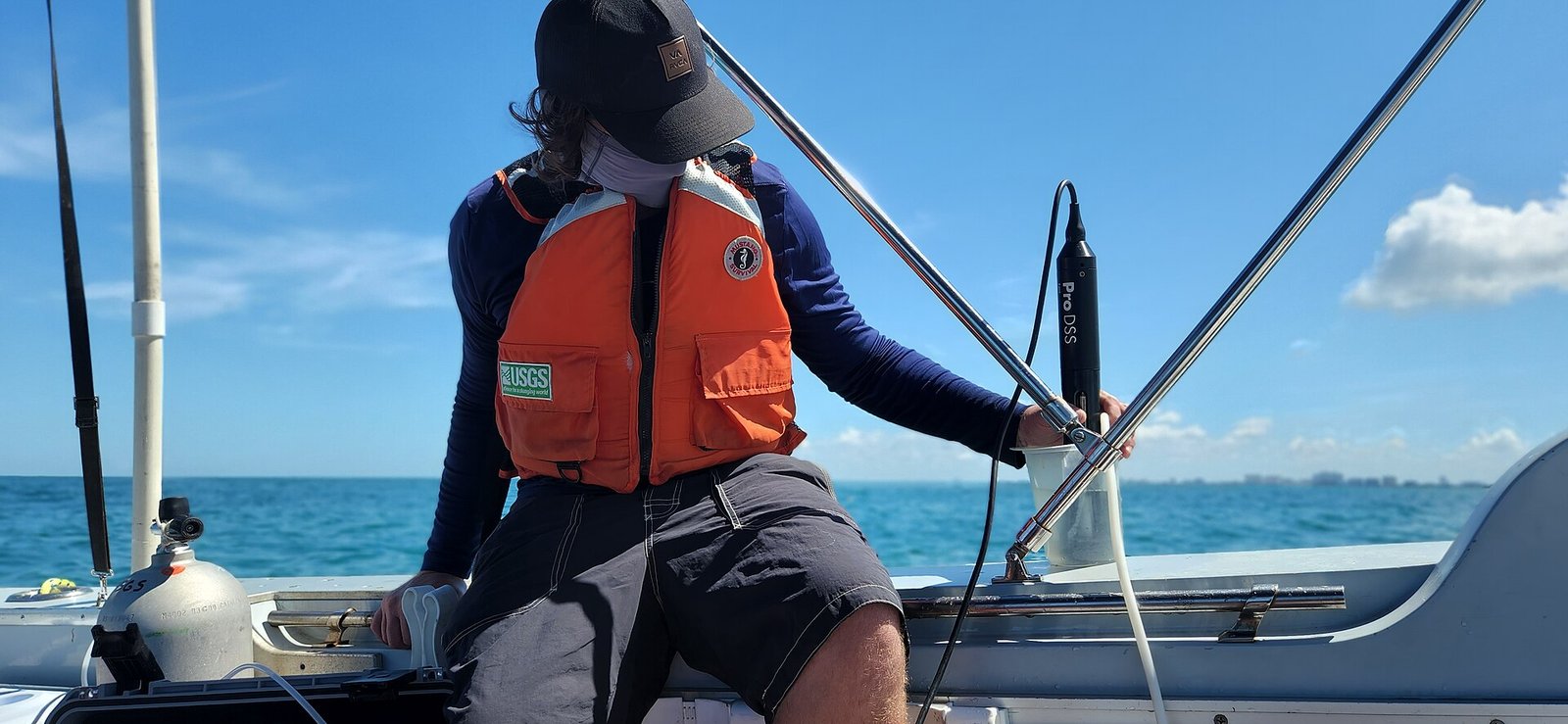
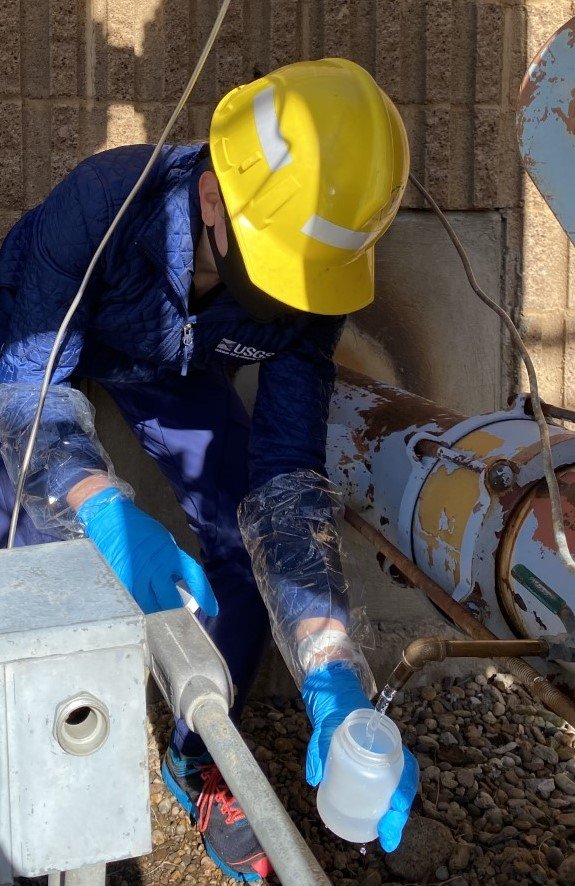
UCMR 5 results are about a public water system, not about the glass at one kitchen sink. If you want the figures for your own utility, start with EPA's UCMR 5 data finder and with your utility's annual water quality report. If you want a lab to check your own tap, ask your state or local drinking-water authority for a list of certified laboratories and follow the lab's collection instructions. Our testing guide explains that process. Learn more. "Not detected" on a report has a specific meaning; our November 21 post explains what it does and does not tell you. Learn more.
Quick answers
Q: Did Wayland find PFAS that already have a federal limit? A: The Wayland Post says the compounds reported under UCMR 5 were PFHxA, PFBA and PFPeA, which do not have federal maximum contaminant levels in EPA's 2024 PFAS rule. That rule's individual limits cover PFOA, PFOS, PFHxS, PFNA and HFPO-DA.
Q: Does a UCMR 5 detection mean a utility violated a drinking-water standard? A: No. EPA describes UCMR 5 as monitoring that provides a basis for future actions. A detection is occurrence data. Compliance is measured against a finished standard, when one exists.
Some readers are also looking at other ways to source drinking water at home, such as water-from-air units like the WaterVO Countertop. CUCKOO is now an approved Hydrology University partner; we will have more once product links are ready.
Sources: The Wayland Post, November 20, 2026 · EPA, "Fifth Unregulated Contaminant Monitoring Rule" · EPA, "UCMR 5 Data Finder" · EPA, "Per- and Polyfluoroalkyl Substances (PFAS)" (all checked November 23, 2026)
Hydrology University · WaterVO
Page link: https://hydrologyuniversity.com/blog/wayland-massachusetts-unregulated-pfas-ucmr5-november-2026