Kennewick, Washington, PFAS Notice: PFOS and PFHxS Above State Levels at Ranney Collector 5, and What the City Says Comes Next
Sean Lupton-Smith ·
The City of Kennewick, Washington, has issued a required public notice saying that third-quarter 2026 samples from its Ranney Collector 5 facility exceeded Washington's state action levels for two PFAS, PFOS and PFHxS, on a running annual average basis. The city sent the notice on October 25, 2026, and says it expects to issue notices like it every quarter until a new PFAS treatment project is finished. Here is what the notice reports, what the state levels are, and what the city says comes next.
What Kennewick reported
The notice covers the City of Kennewick Water System (ID 38100, Benton County), Ranney Collector 5 (sources S04 and S05, blended). It lists a running annual average of 10.7 parts per trillion (ppt) for PFOS against a state action level of 4.0 ppt, and 13.4 ppt for PFHxS against a state action level of 10 ppt. Source: City of Kennewick.
What a running annual average is
A running annual average is generally the average of the most recent four quarters of results, so one quarter's sample does not decide it on its own. The notice does not define the term. It says only that the city expects to keep issuing quarterly notices for Ranney Collector 5 until the new treatment project is complete.
State action levels and the federal standard
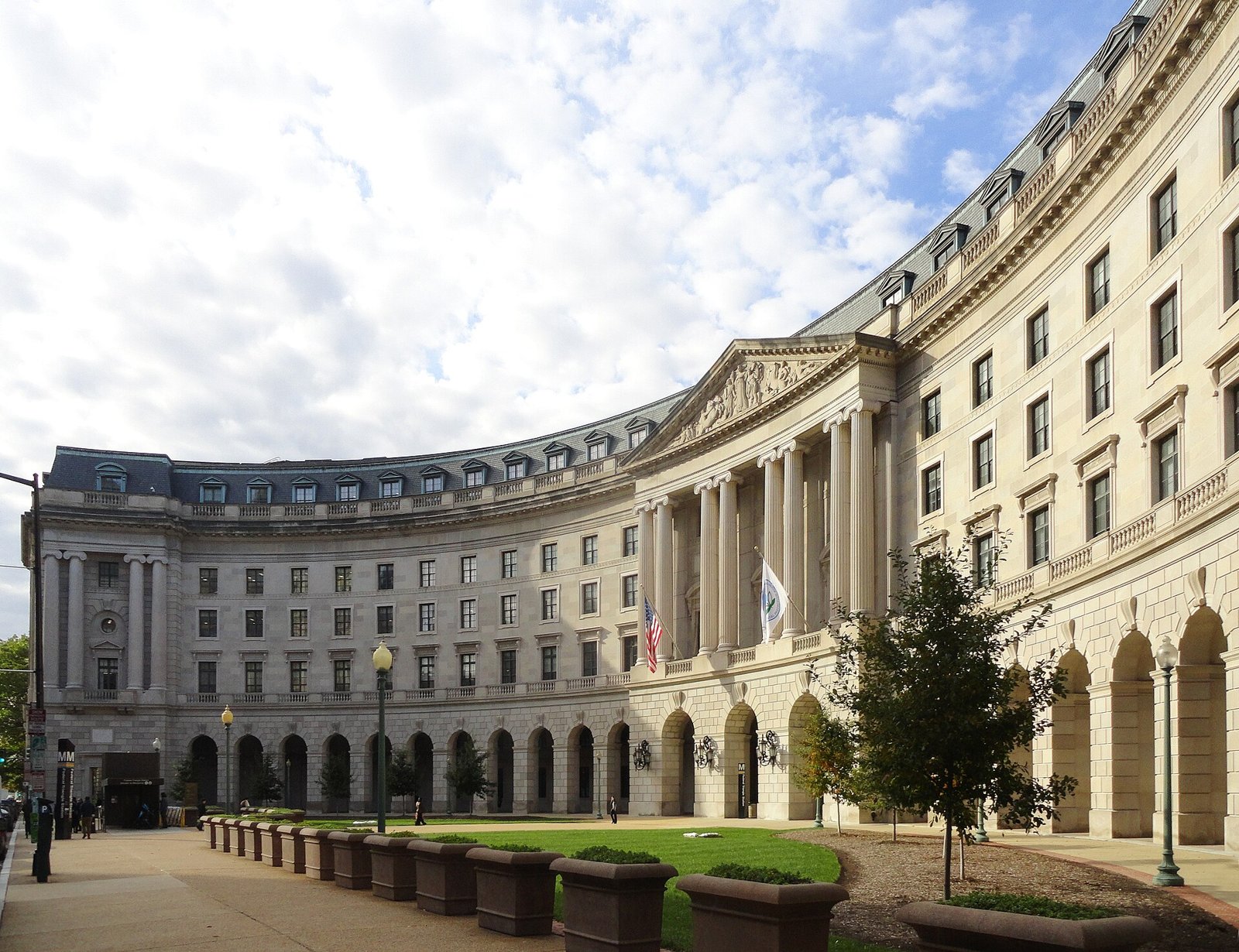
Washington's State Board of Health adopted a rule in 2021 requiring water systems to sample for PFAS, with health-based state action levels. On April 10, 2024, EPA announced a final national drinking water regulation for PFAS, and the notice says the federal maximum contaminant levels become effective in April 2029. In January 2026, the Board aligned the state action levels with the federal levels so there is one consistent standard. EPA's page also says that on May 18, 2026 the agency announced two proposed rules for public comment: one would let water systems request two more years, to 2031, to comply with the PFOA and PFOS limits, and the other would rescind the federal limits for PFHxS, PFNA, HFPO-DA and the hazard index mixture. They are proposals, so the federal dates and limits the notice describes could change. Source: EPA.
What the notice tells residents
The notice says there is nothing required of residents at this time. The Washington State Department of Health recommends that people who are pregnant, breastfeeding, or mixing infant formula with tap water use another source of drinking water, or a point-of-use treatment unit, such as reverse osmosis or an activated carbon filter, that is certified to lower PFAS levels, maintained as its maker directs. The notice also says not to boil water to lower PFAS, because boiling does not reduce PFAS levels. For anything about health, the notice points residents to their healthcare provider.
What the city plans next
The city says it is designing a PFAS treatment system that is expected to be online no later than April 2029, and that staff are planning for earlier. Residents with questions can call the City of Kennewick at (509) 585-4419. Our November 24 post looks at how Marshfield, Wisconsin, is approaching a permanent PFAS treatment plant. Learn more. If you want to know what is in your own water, our water quality guide covers getting a lab test for a baseline and reading your municipal water report, including for PFAS. Learn more.
Quick answers
Q: What PFAS levels did Kennewick report? A: The notice lists running annual averages of 10.7 ppt for PFOS (state action level 4.0 ppt) and 13.4 ppt for PFHxS (state action level 10 ppt) at Ranney Collector 5, from third-quarter 2026 samples.
Q: Does boiling water lower PFAS? A: No. The notice says not to boil water to lower PFAS, because boiling does not reduce PFAS levels.
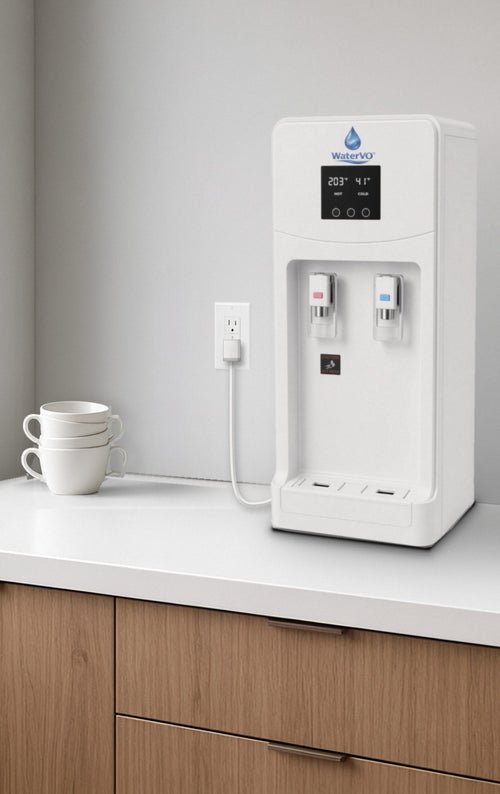
Some readers are also looking at other ways to source drinking water at home, such as water-from-air units like the WaterVO Countertop. This post makes no claim that the WaterVO Countertop addresses PFAS, and Kennewick residents should follow the city's notice and the Department of Health's recommendations. Hydrology University compares water-from-air units in its atmospheric water reviews. Learn more.
Hydrology University · WaterVO
Page link: https://hydrologyuniversity.com/blog/kennewick-washington-pfas-notice-ranney-collector-5-november-2026