Microplastics Turn Chemically Active in Water, Generating Radicals That Columbia and Berkeley Researchers Say Likely Harm Living Tissue
Hydrology University ·
- Current News
- Microplastics
- Research
- Drinking Water
Researchers at Columbia University and the University of California, Berkeley have found that microplastics become chemically reactive when they come into contact with water, and that their surfaces generate reactive radicals which the authors say "very likely contribute to biological damage" in animals and potentially in humans, Water Conditioning & Purification reported on October 21, 2026.
We are the water experts. Here is what the study found, why a plastic surface behaves differently in water than in air, and what it does and does not tell us about the water in your home.
What the study found
The finding is about chemistry at the surface of a particle, not about a new contaminant being discovered:
- The surface changes. Once a microplastic is in water, its surface generates reactive radicals, the trade publication reported.
- The consequence is stated carefully. Those radicals "very likely contribute to biological damage" in animals and potentially humans, according to the reporting. That is the researchers' assessment of likely harm, not a measured human health outcome.
- The route in is environmental. The work points to microplastics forming and entering waterways from specific sources rather than appearing uniformly everywhere.
"This work has significant implications for environmental and human health," said co-author Beizhan Yan of Columbia's Lamont-Doherty Earth Observatory. "In certain environments, such as discharges from plastic manufacturers and laundromats, microplastics can form and enter aquatic environments. This work also indicates that radicals can form on hydrophobic plastic surfaces in water, which could affect ecosystems and human health following exposure."
Where the plastic comes from
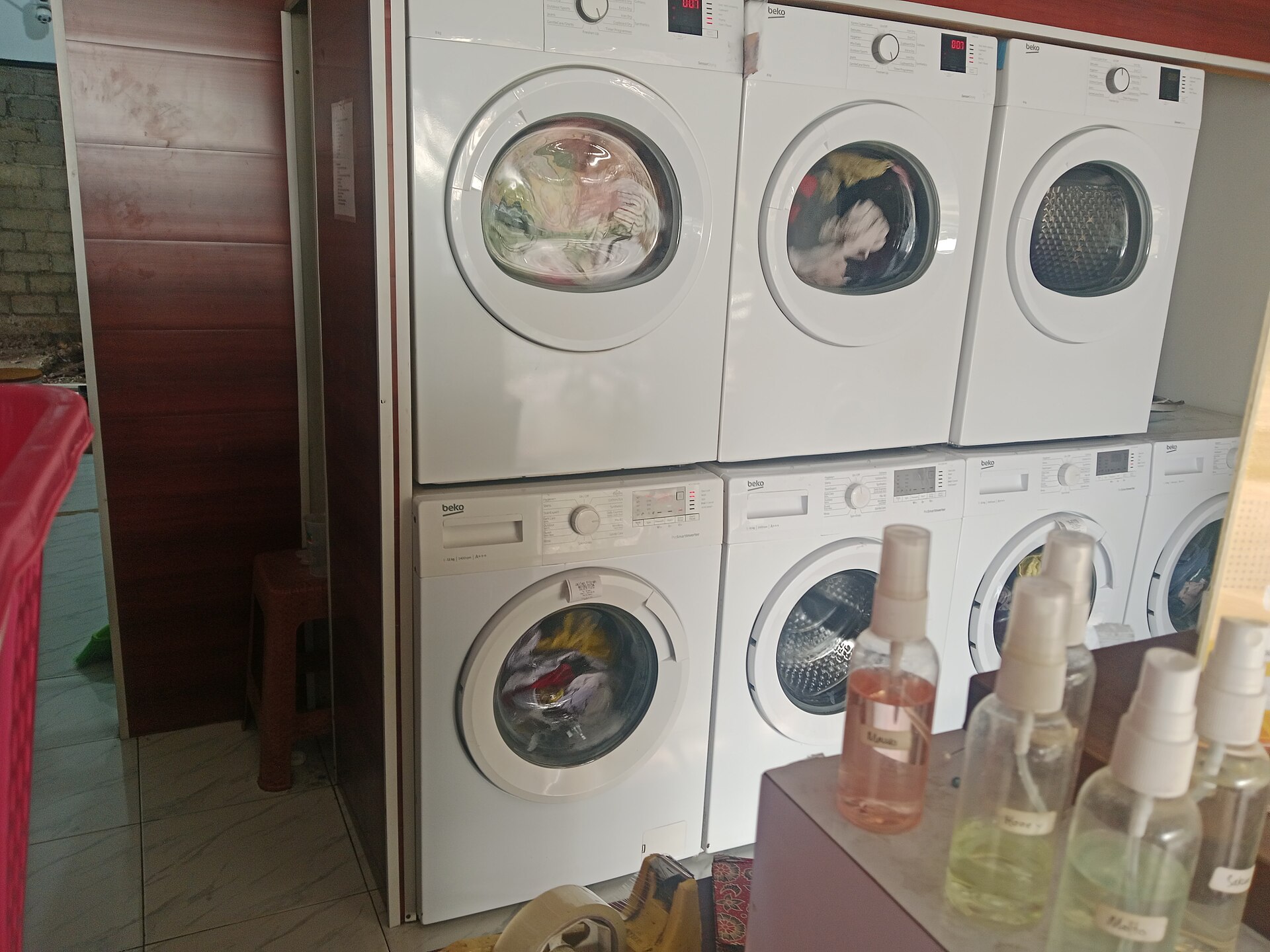
Yan names discharges from plastic manufacturers and laundromats as environments where microplastics can form and reach water. Laundry is the one most households have direct control over, because washing machine effluent carries fibres and, in some cases, particles from the garments themselves.
That framing matters for a practical reason. A great deal of what enters a sewer from a home is not industrial; it is the normal operation of a washer.
Why it builds on earlier work on bottled water
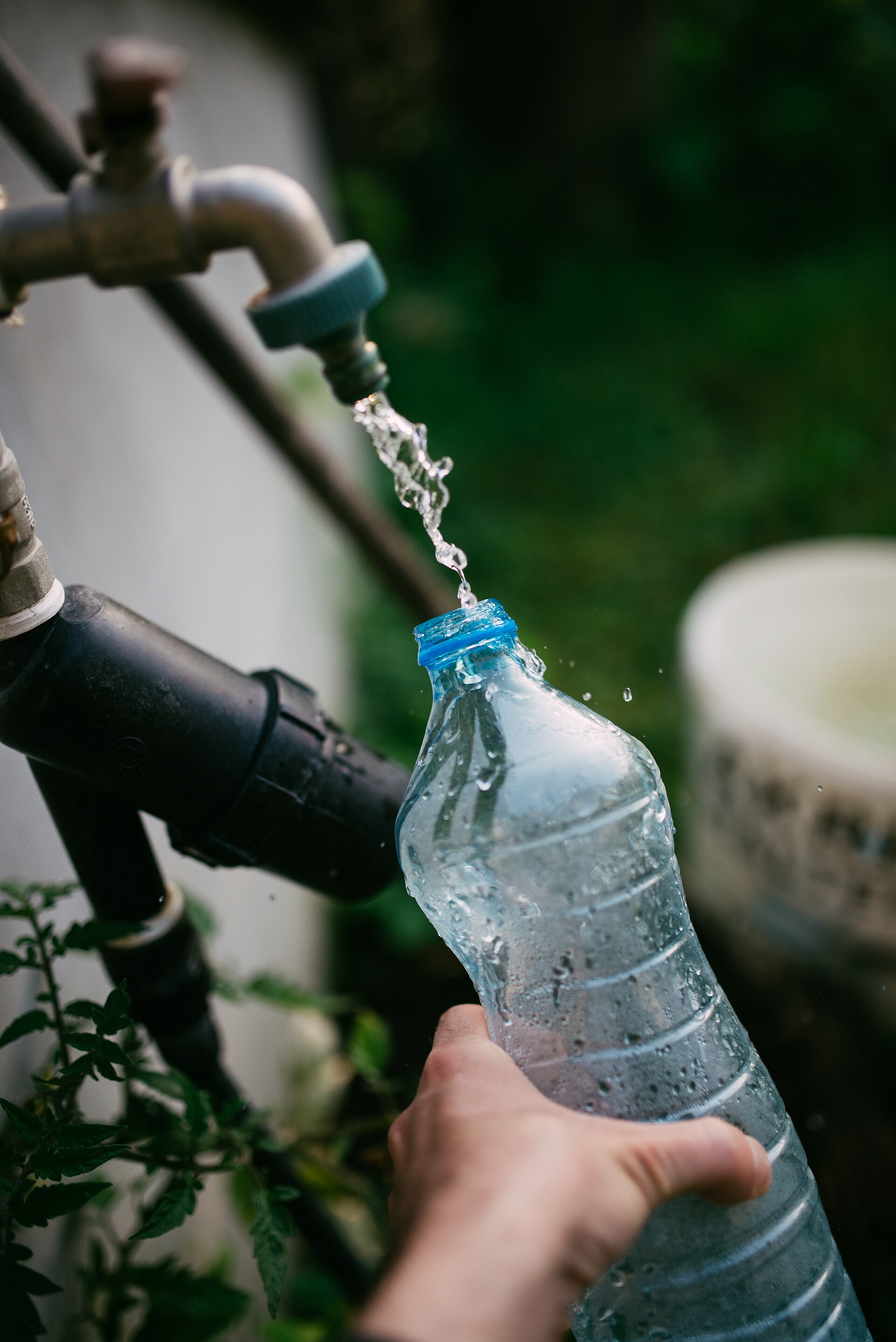
The study builds on 2024 research by team member Wei Min, a Columbia professor of Chemistry and Biomedical Engineering, whose group used laser-based microscopes to detect more micro- and nanoplastics in bottles of water than had previously been recognised, the publication reported.
That earlier result is the reason this one reads the way it does. Detecting the particles was the first problem; asking what their surfaces do once they are wet is the second.
The two teams divided the work: Berkeley ran the calculations and simulations, and Columbia ran the biological and chemical experiments. The findings were published in Nature.
The treatment side, for contrast
A separate line of research published on October 7, 2026 in Materials Today approaches the same particles from the removal end. A team led by Prof. Dr. Marcus Halik, from FAU, Uniklinikum Erlangen and the Bavarian Health and Food Safety Authority, developed a functionalised iron oxide nanoparticle with magnetic properties that binds PFAS to its surface and is then pulled out of the water with a magnet. The team reported removing a broad range of PFAS down to local limits across various concentrations and environmental conditions, and demonstrated the material on fluorine-containing microplastics of the kind found in some cosmetics and washing machine effluent.
The intended uses are household needs, brownfield recovery and industrial sewage. The team's stated next step is refining the recycling process to extend the material's lifespan — which tells you how far this is from a product on a shelf.
What it means at home
Two honest conclusions, and one that people tend to skip:
- This is a mechanism, not a measurement of your tap. The study describes what microplastic surfaces do in water. It does not give a concentration at which harm occurs, and it does not test household plumbing.
- The controllable sources are worth controlling. If laundry effluent is one route, washing less often, washing full loads and choosing garments that shed less are things a household can actually change.
- Filtration claims deserve the same care. A filter certified for a contaminant comes with a certification you can read, naming the standard and the contaminant. A box that says it takes microplastics out is a marketing sentence, not a test result.
What the water experts recommend
- Read the certification, not the badge. For any filter, look for the specific standard and the specific contaminant list. Our guide to water treatment technologies explains how the main methods differ.
- Know what your utility already reports. Public water systems publish their results. If microplastics are not on that list, the honest answer is that nobody has measured them for your system yet.
- If you use a private well, test it. Well owners are outside the public reporting rules. Our reverse osmosis reviews cover systems that carry published certifications.
- Consider a different starting point. Some households look at atmospheric water generation, which makes drinking water from humidity in the air rather than from a supply. It uses energy. Our sister brand WaterVO makes one.
More from Hydrology University: EPA launches its first PFAS TECH strategy · A Luleå thesis finds PFAS treatment depends on the water · Cayce, S.C., sets PFAS settlement money aside for treatment
Sources
- "Research Shows Microplastics Become Chemically Active in Water," Water Conditioning & Purification, October 21, 2026: wcponline.com
- "Magnetic Particles Remove PFAS, Microplastics from Water," Water Conditioning & Purification, October 7, 2026: wcponline.com
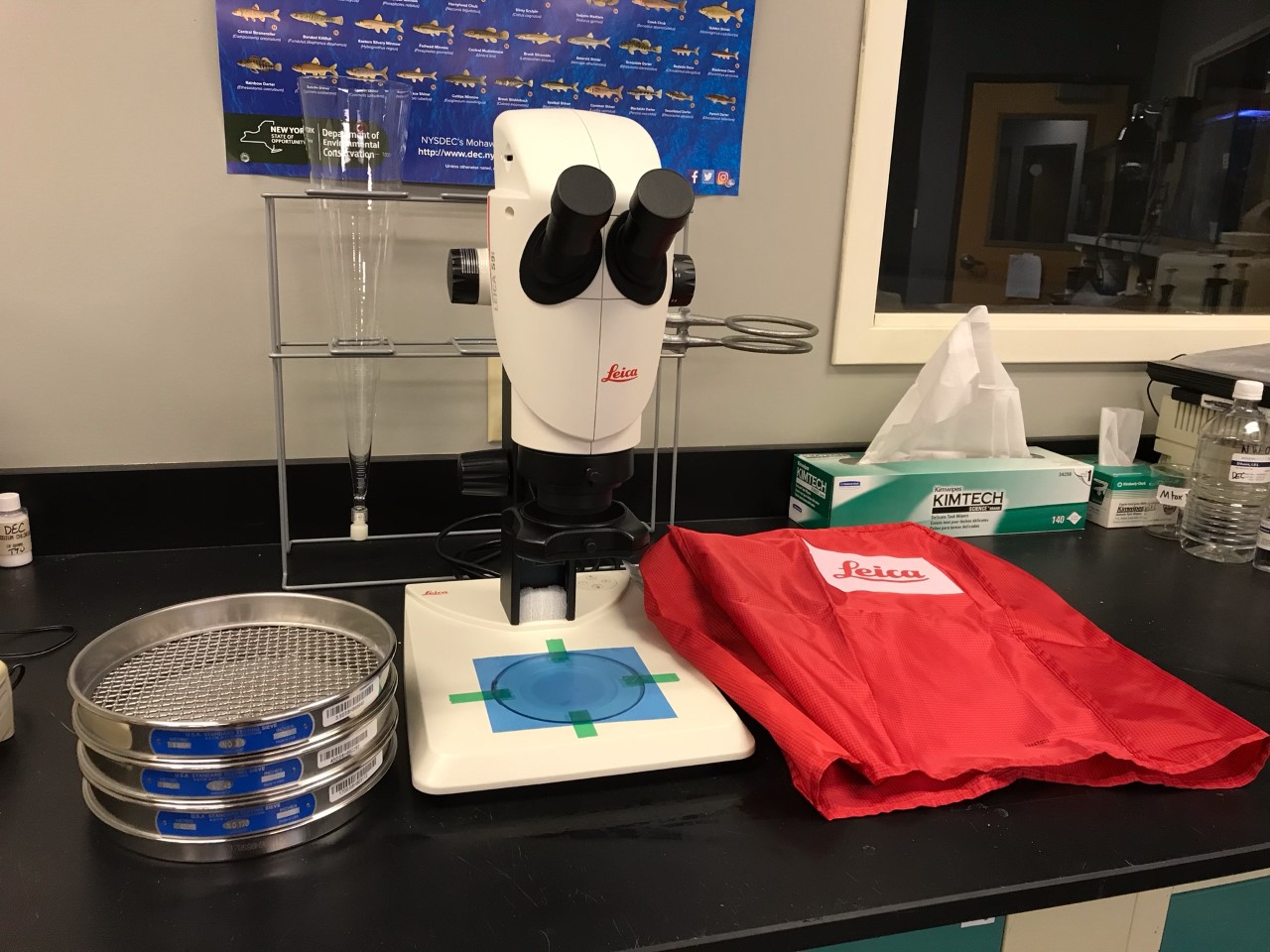
Photo: microscope used for counting microplastics in water samples, by the U.S. Geological Survey via Wikimedia Commons (public domain); cropped, headline added in the featured image.
Page link: https://hydrologyuniversity.com/blog/microplastics-chemically-reactive-water-radicals-columbia-berkeley